Add Row
Add Element
cropper
update

{COMPANY_NAME}

cropper
update
Add Element
update

CALL US

+1 (415) 993-3922

Add Element
update

EMAIL US

robert@sfpressmedia.com

Add Element
update

WORKING HOURS

Mon-Fri: 9am-6pm

Add Element

Add Element
  • About Us
  • Contact Us
  • Advertise
  • Industry Feature
Add Element
  • update
  • update
  • update
  • update
  • update
  • update
  • update
July 18.2025
3 Minutes Read

Discover How International House is Transforming Historic Buildings into Unique Boutique Hotels

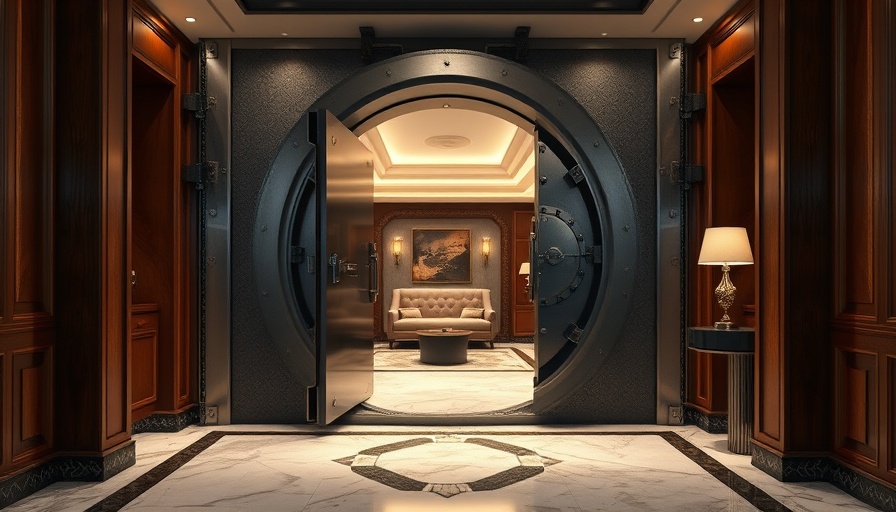
Massive vault door in unique boutique hotel interior.

The Revival of Historic Architectural Marvels

The purchase of the 137-year-old Whitney National Bank building and the Tulane-Newcomb Building marks a significant moment for International House in downtown New Orleans. With this acquisition, the boutique hotel chain not only expands its portfolio but also enhances the cultural and architectural landscape of the historic city. The Whitney National Bank, a stunning 1888 creation by architect Thomas Sully, boasts features such as a historic safety deposit vault and a unique glass cupola, while the Tulane-Newcomb Building is recognized for its ornate Beaux Arts terra cotta façade, originally commissioned by philanthropist Paul Tulane in 1902.

Unraveling Architectural Secrets

Under the guidance of architects Brooks Graham and Williams Architects, plans are underway to incorporate “secret pathways” and “unique uses” into the redesign of these buildings. This initiative aims to connect guests with the rich history and intriguing stories that permeate these structures. Sean Cummings, owner of International House, envisions a space that encapsulates both modern functionality and historical reverence. As he notes, this development has been 14 years in the making, suggesting a dedication to a thoughtful and intricate design process.

Preserving History While Innovating Spaces

The juxtaposition of historical preservation with innovative design reflects a growing trend within the boutique hotel industry. Luxury boutique hotels are adapting to meet modern guests' needs while celebrating their heritage. Innovations may include immersive experiences that allow visitors to engage with the hotel’s past in meaningful ways. This balance between nostalgia and contemporary appeal can cater to various traveler profiles, from solo adventurers to families seeking enriching experiences.

The Impact on Local Tourism in New Orleans

The redevelopment of these historic buildings is poised to impact local tourism significantly. The addition of unique boutique hotels contributes to a city already known for its vibrant cultural scene, food, music, and festivals. Visitors seeking romantic getaways, family vacations, or simply an escape from everyday life may find themselves drawn to a collection of hotels that not only offer luxury but also a connection to the area’s rich history. The allure of staying in a property that bridges past and present becomes an experience in itself.

Future Developments on the Horizon

While details of the full redevelopment are set to be unveiled in autumn 2025, the anticipation surrounding this project is palpable. Local stakeholders, tourism boards, and potential guests are eager to see how these historic structures will be reborn. As International House asserts its commitment to creating “a fantastic array of experiences,” the emphasis on storytelling through design illustrates a potential shift in hotel offerings across New Orleans.

Why Travel Enthusiasts Should Care

For travelers and those passionate about the boutique hotel scene, this development offers a glimpse into the future of luxury accommodations. The integration of architectural history with new design will not only attract visitors to New Orleans but also set a precedent for other cities. As travelers increasingly seek unique experiences, boutique hotels must continue to innovate while respecting their history, ensuring a balance that attracts diverse clientele.

As travel enthusiasts plan their next adventure, whether to find the best boutique hotels or come across unique boutique hotel packages, the developments in New Orleans should be on their radar. This project symbolizes a thriving intersection of history, design, and hospitality.

Stay updated on the progress of these exciting developments and consider making a reservation at the International House when they unveil their new offerings!

Hotel

0 Comments

Write A Comment

*
*
Related Posts All Posts

Evok Collection Appoints Aya Hanova as COO: What This Means for Luxury Boutique Hotels

Update Evok Collection Welcomes Aya Hanova as Chief Operating Officer The luxury boutique hospitality sphere is witnessing an exciting evolution with the recent appointment of Aya Hanova as the Chief Operating Officer (COO) of the Evok Collection. As the company gears up to enhance its offerings, Hanova's extensive background promises to play a pivotal role in this ambitious journey. A Seasoned Leader with a Storied Career With over 18 years of experience in elite hotels across Europe and the Middle East, Hanova arrives at Evok with a wealth of knowledge and expertise. She has cultivated her career in some of the industry's finest establishments, such as the Burj Al Arab Jumeirah in Dubai and renowned Parisian hotels like the Four Seasons Hotel George V. Her leadership roles at Jumeirah and her notable achievements in guest relations underscore her capability to elevate operational standards and guest satisfaction. Focus on Performance and Talent Development At Evok Collection, Hanova will hold the reins of property performance, service excellence, and the overall operational framework. A significant part of her strategy will focus on talent development and mentorship, ensuring that her team not only receives guidance but thrives within their roles. Hanova believes that a well-nurtured team is integral to delivering the exceptional experiences that luxury travelers expect today. What's Next for Evok Collection? New Properties on the Horizon With Hanova's appointment comes an exhilarating future for Evok Collection as it plans to launch two new properties by 2027: Brach Roma in Q1 and Nolinski Golfe de Saint-Tropez in Q2. These openings signal a strategic expansion aimed at solidifying Evok’s presence in the luxury boutique sector. Hanova will be essential in structuring these properties to meet the high standards synonymous with the Evok brand. Emphasizing a Culture of Excellence In a landscape as competitive as luxury hospitality, fostering a robust culture of excellence is crucial. Hanova’s insights into operational excellence and guest satisfaction will not only refine existing practices but will also help set new benchmarks. Her leadership approach emphasizes mentorship, encouraging a culture where knowledge is shared and innovation thrives. The Broader Impact on Luxury Travel The hospitality industry is on the cusp of important changes, driven by advancements in guest technology and an elevated focus on personalized experiences. Hanova's innovative perspectives reflect these trends and are likely to position Evok Collection as a leader in offering unique boutique hotel experiences. Catering to discerning travelers—from couples seeking romantic escapes to families looking for pet-friendly accommodations—Evok aims to deliver not just a stay, but a memorable experience. Conclusion: The Path Ahead As Aya Hanova steps into her role as COO at Evok Collection, her extensive experience and visionary approach promise to herald a transformative era for the brand. With upcoming launches set for 2027 and an unyielding focus on quality and service excellence, Evok Collection is poised to redefine luxury in the boutique hotel segment. For travelers seeking exceptional boutique hotels near them, Evok Collection is undoubtedly a brand to watch. Stay tuned to discover more about the expanding world of boutique hotels and the innovations shaping the future of luxury travel. Whether you're looking for the best boutique hotels for your next escape or planning a romantic getaway, Evok Collection is dedicated to elevating your experience.

Hand Picked Hotels Expands Leadership with Key Appointments in Channel Islands

Update New Leadership Takes Helm at Hand Picked Hotels Hand Picked Hotels is elevating its commitment to luxury hospitality in the Channel Islands with the recent appointment of three senior executives. Will Jackson, José Simoes, and Jaime Short are set to oversee operations and sales, marking a strategic move as the company enhances its profile in this coveted market. Meet the New Senior Management Team Will Jackson is stepping in as the general manager of L'Horizon Hotel & Spa in Jersey. With a solid background in island hospitality, including a tenure at St. Helier's Pomme d'Or Hotel, Jackson aims to elevate L'Horizon as a premier coastal retreat. He emphasizes the hotel's recent achievements, like obtaining Green Tourism accreditation and earning an AA-rosette award for its restaurant, interpreting these accolades as stepping stones toward further enhancing guest experiences. In Alderney, José Simoes takes up the role of hotel manager at Braye Beach Hotel. Simoes, who has led various establishments such as The Isles of Glencoe Hotel, is committed to balancing historical local hospitality with modern expectations. He expresses enthusiasm about working closely with the dedicated team to maintain the hotel’s deep-rooted heritage while improving guest experiences. Meanwhile, Jaime Short has been appointed as the director of sales for the Channel Islands. Previously managing sales teams across nine Marriott hotels, Short brings substantial experience. Her focus will be on developing tailored strategies to attract guests from both the islands and mainland. She highlights the Channel Islands as a unique market needing specialized attention to maximize its tourism potential. A Strong Focus on the Channel Islands Julia Hands, chair of Hand Picked Hotels, emphasizes that the appointments demonstrate the hotel's long-term commitment to the Channel Islands. She believes that fostering local talent is crucial for enhancing the overall performance and reputation of their properties, assuring guests of high-quality service. The Bigger Picture: Expansion and Commitment This move comes as Hand Picked Hotels reinforces its portfolio, which includes 21 properties across the UK, with luxurious accommodations in key regions. The strategic focus on the Channel Islands signals an understanding of evolving guest preferences for boutique offerings, especially in scenic coastal areas. Why Boutique Hotels Matter As travel patterns shift, luxury boutique hotels like those within Hand Picked Hotels' portfolio play an increasingly important role. They deliver uniquely tailored experiences often reflecting the local culture and environment, making them favored choices for discerning travelers seeking personal touches in their accommodations. What This Means for Travelers The leadership changes could denote an uptick in standards, services, and promotional offerings tied to boutique hotels. Potential visitors can expect innovative strategies and promises of memorable stays at these iconic properties. Whether it’s a romantic getaway or a luxurious family vacation, enhanced hotel experiences await. Future Trends in Hotel Management Experts suggest that the hotel industry—as seen through Hand Picked Hotels’ recent actions—will require adaptive strategies in the face of changing guest expectations and market conditions. Future developments may lean towards personalized services, sustainability practices, and community integration, all of which are evident in Jackson, Simoes, and Short's visions for their respective hotels. Conclusion: Embrace Your Next Getaway As these changes unfold, do consider planning your next trip to explore Hand Picked Hotels’ offerings in the Channel Islands. With a new, experienced team devoted to enhancing the guest experience, you might find your perfect boutique hotel getaway that combines luxury and unique local charm. Don't miss out—book your stay today to enjoy what these islands have to offer!

Are Hotels the Anchor for Branded Residences or Merely Accessories?

Update Branded Residences: The Future of Luxury Living Branded residences are redefining the luxury real estate landscape, emerging as high-end private homes linked to prestigious hotel or lifestyle brands. This novel integration offers buyers not just a residence but a lifestyle, incorporating hotel-grade amenities and services right into their everyday lives. As the demand for such properties continues to grow, stakeholders must grapple with a vital question: are hotels the anchor for these residences, or can stand-alone branded developments thrive independently? The Evolution of Branded Residences Historically, branded residences began to take shape in the 1980s, initially gaining traction primarily through luxury hotel brands like Four Seasons and Ritz-Carlton. These properties provide residents with the glamor of living in a brand-name environment, while offering hotel-like services such as housekeeping, concierge, and access to exclusive amenities. According to a report from Savills, the branded residence market has expanded significantly, witnessing a growth of 180% over the past decade. Currently, there are over 700 such developments globally, with around the same number in the pipeline. This surge is driven by increases in global wealth and lifestyle changes resulting from the COVID-19 pandemic, where individuals look for comfort and flexibility in their home environments. Co-location vs. Standalone Models During discussions at the Hotel Investment + Development Event (HIDE), industry experts highlighted a crucial point: while many branded residences are ideally situated next to their parent hotels—reinforcing the value of the brand—there's a notable rise in standalone models that attract affluent buyers seeking privacy and exclusivity. Sam Barrell of Marriott emphasized the advantages of co-location for financing and brand credibility, but acknowledged that there is an increasing market for properties detached from their parent hotels. In places like Dubai and Miami, standalone branded residences are emerging as desirable options, often attracting high-net-worth individuals interested in private, luxurious living devoid of the complexities associated with shared spaces. Yet, as Roger Allen from RLA Global pointed out, the long-term viability of these independent models requires rigorous brand integrity and alignment, which can be challenging. The Economics Behind Branded Residences One of the main attractions of branded residences is their ability to achieve premium pricing. Properties associated with well-known brands often command a significant price increase over comparable unbranded homes. Savills reports that on average, branded residences realize a global premium of 33% over unbranded properties, with even higher rates in emerging markets like Dubai, where some developments offer extraordinary markups approaching 90%. This price elasticity hinges upon the perceived value of brand association, luxurious service expectations, and high-quality amenities. However, there remains a delicate balance. Developers are often tempted to focus heavily on the residential side to expedite cash flows, potentially neglecting the hotel component that benefits from brand prestige and operational resources. Market Demand and Future Trends The demand for branded residences is primarily driven by the increasing desire for experiential living environments. Consumers are increasingly drawn toward immersive experiences over traditional ownership. Branded residences present an opportunity to live in a unique atmosphere defined by luxury and service. Notably, listings from Luxury Property illustrate this trend with remarkable listings across metropolitan hubs where buyers are willing to invest significantly for the right conditions – think pools, wellness amenities, and proximity to cultural hotspots. This demand is not limited to hotel brands, as lifestyle entities from automotive and fashion industries are entering the real estate market, enhancing the allure of luxury living. Considerations for Buyers and Developers For potential buyers, the appeal of branded residences is clear. They offer a unique mix of high-end living combined with the service of a hotel, perfect for those who travel frequently or have multiple properties. The convenience and lifestyle amenities play a key role in justifying the premium pricing. For developers, however, there are essential considerations in navigating this landscape. While branded residences can enhance market visibility and perceived value, they also entail meticulous attention to brand standards and operational excellence. The choice of how to develop these properties impacts not only their market performance but also the longevity and viability of the brand itself. It’s imperative for developers to align strategic goals with brand promises while balancing the unique demands of the luxury market. Conclusion: The Future of Residential Hospitality As the branded residence market continues to mature, it’s evident that both hotel chains and non-hotel brands stand to benefit from this cultivation of luxury living experiences. While the relationship between branded residences and their hotel counterparts evolves, what remains indisputable is the changing nature of hospitality in residential settings, which caters to a clientele that seeks both exclusivity and comfort. For those considering investing in or living within branded residences, staying informed about market dynamics and brand strategies is paramount. As this sector expands, the question of whether hotels serve as an anchor or accessory for branded residences will likely continue to influence investment decisions and consumer preferences alike.

Terms of Service

Privacy Policy

Core Modal Title

Sorry, no results found

You Might Find These Articles Interesting

T
Please Check Your Email
We Will Be Following Up Shortly
*
*
*