Add Row
Add Element
cropper
update

{COMPANY_NAME}

cropper
update
Add Element
update

CALL US

+1 (415) 993-3922

Add Element
update

EMAIL US

robert@sfpressmedia.com

Add Element
update

WORKING HOURS

Mon-Fri: 9am-6pm

Add Element

Add Element
  • About Us
  • Contact Us
  • Advertise
  • Industry Feature
Add Element
  • update
  • update
  • update
  • update
  • update
  • update
  • update
July 27.2025
3 Minutes Read

Eavesdropping at the Waldorf: Unveiling America's AI Dominance

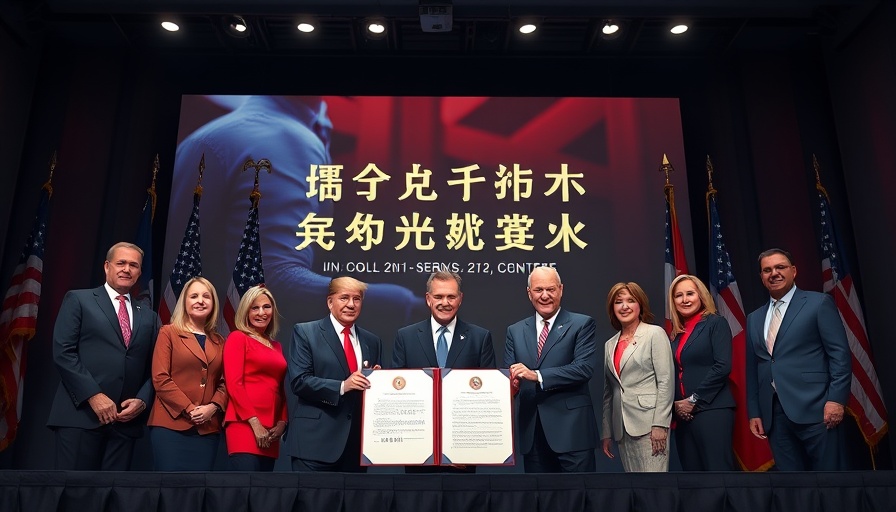
AI and politics at the Waldorf event with politicians on stage.

The Secrets of the Waldorf: An Insider's Account

In the heart of Washington, D.C., the historic Waldorf Astoria hotel has become a vibrant hub of political and technological networking. As I found myself cast aside from the All-In Podcast's AI summit, I opted instead to position myself at the bar of this luxury venue — a site that, unbeknownst to many, serves as the unofficial backdoor to the political elite and tech moguls. What transpired over the course of that evening was a fascinating glimpse into the intricate dance between technology and politics, wealth and ambition.

Trump's AI Aspirations and Corporate Interests

Earlier that day, President Donald Trump delivered a keynote address at the summit, exclaiming America’s ambition to dominate the AI landscape. He declared, “America is going to win it,” as he unveiled an executive order designed to propel advancements in artificial intelligence. But while the politicians and corporate leaders on stage promoted unity and vision, the real conversations and strategies were reserved for the Waldorf’s plush couches.

What I overheard painted a different picture. A group of commercial real estate executives sat nearby, plotting ways to amplify profits through Trump’s “America First” initiatives. They spoke in terms that underscore the intersection of corporate lobbying and national interest, probing how the influx of capital from tech investees like Marc Andreessen and Ben Horowitz could bolster a new generation of defense contractors.

Connecting the Dots: What This Means for the Future

It’s clear that this blend of political maneuvering and business acumen shapes the future of AI in America. While tech leaders claim to prioritize ethical considerations in AI development, conversations at the bar revealed a raw opportunism driven by profit margins and strategic advantage. This raises an important question: are we fostering an environment conducive to innovation, or merely reinforcing the dominance of elites who have long held power?

A Broader Implication: Global Reactions to U.S. AI Strategy

The ambitious U.S. stance on AI not only influences domestic politics but also prompts international reactions. Countries worldwide are closely watching how the U.S. implements its vision. If America solidifies its position as the leader in AI, other nations may feel pressured to respond by ramping up their own investments in technology — potentially igniting a global competitiveness that could either benefit or endanger ethical standards in AI development.

Diverse Perspectives: What's at Stake?

Critics of the approach maintain that prioritizing military funding over societal benefits could lead to unforeseen consequences. These opponents argue that technology should primarily serve humanity rather than the interests of a few powerful players. The conversations I heard at the Waldorf illustrated a chasm between public discourse about ethics in AI and the profit-driven ambitions of those poised to profit from governmental contracts.

Final Thoughts: Engaging with the Future

This firsthand insight from the Waldorf Astoria serves as a microcosm of a larger phenomenon shaping our society. The intertwining of governmental policy and corporate opportunity not only highlights the complexities of modern politics but also our own responsibility as citizens to question the motivations behind these alliances. As the AI race accelerates, it is essential for us to demand transparency and prioritize the collective good over individual gain.

As we engage with these themes, whether it’s through conversations with friends or discussions in our communities, it's vital to advocate for an inclusive approach to technological development. It shapes not just the economy, but the very fabric of our society.

San Francisco Spotlight

0 Comments

Write A Comment

*
*
Please complete the captcha to submit your comment.
Related Posts All Posts

Harmit Singh's Retirement: What It Means for Levi's Future

Update Harmit Singh's Legacy at Levi Strauss: A Retrospective Harmit Singh, the chief financial officer of Levi Strauss & Co., has announced his plan to retire after over a decade in his role. His tenure is marked by remarkable growth and strategic innovations that have helped shape the iconic brand into a fashion powerhouse. Under Singh’s stewardship, Levi's has not only weathered economic storms but has thrived, adapting its business model to meet the ever-changing landscape of retail. From navigating the challenges posed by the digital revolution to enhancing sustainability initiatives, Singh’s leadership has been instrumental in steering the company forward. Singh's Key Achievements: Driving Change and Growth During his time at Levi’s, Singh has implemented forward-thinking financial practices that have bolstered the company's revenue streams. He played a crucial role in improving operational efficiencies, and his focus on sustainability has positioned Levi’s as a leader in responsible retailing. These initiatives not only resonate with environmentally-conscious consumers but have also paved the way for innovative product lines that appeal to modern shoppers. Inspired by the shift towards environmental responsibility, Singh has overseen the launch of initiatives that reduce water usage in denim production and increase the use of organic cotton. Such efforts demonstrate a tangible commitment to sustainability—a vital aspect for consumers today, especially in the U.S., U.K., Germany, and beyond. The Future of Levi's After Singh As Singh prepares to pass the baton, questions arise about who will step into his shoes and carry forward his vision. With leadership transitions often leading to significant changes in corporate strategy, expert commentators are keenly observing Levi’s next moves. Analysts suggest that maintaining Singh’s commitment to innovation and sustainability will be crucial for Levi’s continued success in the competitive retail landscape. Moreover, as the retail sector undergoes rapid transformation influenced by consumer preferences, the next CFO will need to embrace technology and digital transformation to cater to a younger audience seeking authenticity and accountability in brands. The Broader Economic Impact of Leadership Changes Singh’s departure is a reminder of how closely corporate leadership ties to economic performance, especially in retail. Each high-profile exit carries implications not just for the company but also for its investors and the industry overall. Local economies in the Bay Area and beyond could feel the repercussions of Singh’s retirement, as rates of employment and business opportunities in sectors supporting retail fluctuate. As we await news of Singh's successor, it’s important for stakeholders—whether they are consumers, employees, or investors—to consider how Levi’s will evolve to meet both market demands and internal challenges. A Reflection on Leadership in the Retail Sector Leadership in the retail industry poses unique challenges, especially in times of change. There can be a fine line between guiding a traditional brand while also breaking new ground. Singh exemplified balancing this dynamic effectively during his tenure at Levi's. His insights into the balance of cost control while fostering creativity in fashion have proven invaluable. It's a lesson for emerging leaders in the industry: embrace change while staying true to a brand’s core values. Conclusion: Embracing New Directions at Levi Strauss Harmit Singh’s planned retirement marks the end of an era for Levi Strauss but opens new possibilities for innovation and growth. With the focus shifting to the future, it is essential for those interested in retail trends to watch closely how Levi's adapts and evolves. The industry stands at a crossroads, and the path forward will be shaped by new ideas and leadership. As a final thought, readers are encouraged to explore the competitive retail environment and consider how changing leadership impacts overall market dynamics. What strategies do you think Levi's should implement to continue its legacy while adapting to modern challenges? Your insights could foster important discussions about the future of iconic brands.

Oracle Layoffs Hit Bay Area Workers Hard: What It Means for Local Economy

Update The Impact of Oracle's Layoffs on Bay Area Workers The tech industry is experiencing yet another wave of layoffs, with Oracle Corporation at the forefront. The company has announced a significant reduction in its workforce, cutting 654 jobs across multiple Bay Area facilities, including Redwood City, Santa Clara, and Pleasanton. These layoffs come as the tech giant restructures amid broader economic uncertainties and ongoing financial pressures, raising concerns about the stability and future of employment in the region. Context of the Layoffs: A Broader Trend in Technology The reality is that Oracle is not alone in these layoffs. Major tech corporations like Meta, Google, and Amazon have also made substantial workforce reductions this year, as the industry grapples with changing economic conditions. Increased automation, shifting market demands, and substantial investments in artificial intelligence have all contributed to the reassessment of workforce needs, leading to a rise in unemployment rates in key counties across the Bay Area. Many employees are likely feeling the strain of this uncertainty. The layoffs at Oracle specifically will affect roles at their facilities, with some employees having no union backing or options for reassignment. This can escalate anxiety among workers and their families about job security and economic stability. What Happens Next? Predictions for the Workforce According to industry analysts, the recent wave of layoffs could lead to increased competition for available tech positions as many skilled workers are suddenly in the job market. Companies are likely to be more selective during this process, especially as they seek to bolster their capabilities in AI and machine learning. This transitional period raises questions about the future workforce dynamics in Silicon Valley. Will companies invest more in the remaining employees to prevent further turnover, or will the trend of experimentation with outsourcing continue? Understanding the Real Estate Impact: High-End Market Trends As job cuts shake the job market, the San Francisco real estate landscape tells a different story. This week, a luxurious $24 million mansion hit the market in the heart of the city. Properties like this often serve as an indicator of wealth concentration, raising the question of whether the disruptions in the tech sector will impact the luxury housing market. Traditionally, high-end real estate has remained robust even during economic downturns, but this time may be different if layoffs continue and the tech industry downturn persists. The Community Response: Support Systems for Affected Workers In light of these layoffs, community support systems are vital. Many organizations and local government agencies are stepping in to provide resources for displaced workers. Workshops on resume writing, interview techniques, and networking events are crucial in helping individuals transition to new job opportunities. Moreover, mental health resources and counseling are necessary to assist those grieving their job losses and navigating uncertain futures. Exploring Local News: The Implications for San Francisco Residents For residents and those invested in local communities, understanding the ramifications of Oracle's layoffs extends beyond the immediate job losses. These developments may affect local economies, with potential decreases in consumer spending leading to reduced business growth in retail and service industries dependent on disposable income. San Francisco's local news outlets will need to closely monitor these changes as they highlight the importance of community resilience in response to economic challenges.

How the AI Boom Shapes San Francisco's Real Estate and Community Dynamics

Update AI Boom Reshapes San Francisco's Urban Landscape The recent surge in AI companies in San Francisco has fundamentally transformed the city's real estate market. While the sector's rapid growth has brought economic vitality and job creation, it has simultaneously intensified the existing housing crisis, aggravating issues related to affordability and space. The Impact on Commercial Real Estate As AI firms like OpenAI and Anthropic expand, they are leasing previously vacant spaces, with total commercial vacancies reaching nearly 27 million square feet, according to Cushman & Wakefield. OpenAI stands out as the most prominent player in the market, occupying approximately 1.2 million square feet, a substantial increase compared to just two years ago. This reflects a broader trend of tech companies adapting to the new hybrid work culture while still needing significant office space. Understanding the Growth of AI Companies In recent years, companies like Sierra AI, led by former Salesforce co-CEO Bret Taylor, have emerged as major contenders in the market. With this startup leasing nearly 300,000 square feet, it exemplifies the pace at which new firms can enter the market. The competition for office space among AI startups is fierce, prompting many to seek out favorable leasing agreements. This competitive environment is reshaping the commercial real estate landscape in the Bay Area. AI Alley: A New Hub for Innovation The coining of the term 'AI Alley' reflects the clustering of AI firms in specific neighborhoods like SoMa, fostering collaboration and fostering a tech ecosystem. This trend raises several questions regarding gentrification and the displacement of long-time residents as new tech hubs emerge. While the growth of AI companies contributes to job creation and innovation, it poses significant challenges for housing across the city. Looking at the Big Tech Players As startups vie for space, established players in AI such as Google, Meta, and Microsoft are adjusting their footprints in San Francisco as well. Google, known for its DeepMind project, has seen shifts, occupying approximately 1.2 million square feet but also reducing its overall office space, a reflection of changes in workforce models post-pandemic. Future Predictions: How AI Will Affect the Real Estate Market The trend of AI companies expanding could lead to further intensification of the housing crisis unless solutions are implemented. Future predictions suggest that if the current trajectory continues, we could see a major reinvention of both the commercial and residential real estate markets in San Francisco. Sustainable urban planning will need to become a priority to accommodate growth without sacrificing livability. Cultural Considerations and Local Perspectives For parents and families living in the Bay Area, the changes brought on by the AI boom can generate mixed feelings. The substantial job opportunities might attract new families to the area, while rising costs may push existing residents out. As the city grapples with these complex dynamics, community engagement will be crucial in navigating the challenges brought on by rapid technological expansion. Take Action: Engage in Civic Discussions about AI's Impact The rapid rise of AI companies in San Francisco presents both opportunities and significant challenges for residents. It's vital to engage in community discussions and support initiatives that promote sustainable growth. Understanding the impact of AI and the importance of real estate on our community can empower residents to make informed decisions moving forward.

Terms of Service

Privacy Policy

Core Modal Title

Sorry, no results found

You Might Find These Articles Interesting

T
Please Check Your Email
We Will Be Following Up Shortly
*
*
*