cropper
update

{COMPANY_NAME}

cropper
update
update

CALL US

+1 (415) 993-3922

update

EMAIL US

robert@sfpressmedia.com

update

WORKING HOURS

Mon-Fri: 9am-6pm


  • About Us
  • Contact Us
  • Advertise
  • Industry Feature
  • update
  • update
  • update
  • update
  • update
  • update
  • update
May 27.2025
3 Minutes Read

Facing Dangers, Venezuelan Migrants Choose Self-Deportation Amid U.S. Policies

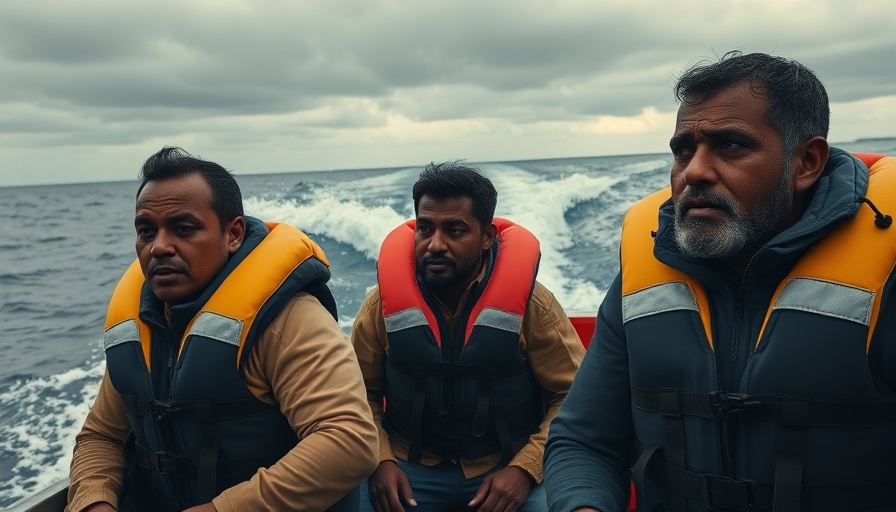
Venezuelan migrants in a boat on the ocean under an overcast sky.

Venezuelans Taking Dangerous Steps

In a situation that highlights the struggles faced by many Venezuelan migrants, thousands are opting to return to Venezuela instead of attempting to cross the United States border. This decision, although showcasing the impact of U.S. immigration policies, is not without peril. Many face threats similar, if not worse, than those that drove them from home in the first place.

A Family’s Journey to a Broken Dream

People like Junior Sulbarán symbolize the heartbreaking reality of these migrants. Having fled Venezuela with his infant daughter only to face a discouraging message from U.S. officials, he represents countless others caught in this cycle. His family, like many others, had trekked through the treacherous Darién Gap and reached as far as Mexico City. However, the hostile environment articulated by U.S. Homeland Security Secretary Kristi Noem has left them feeling left with no choice but to return to Venezuela.

The Influence of U.S. Immigration Policies

Recent policies implemented during Trump’s administration have significantly shaped the risks migrants are willing to take. With messages warning against illegal crossings and strict enforcement measures, many feel pressured to self-deport. This government stance places potential immigrants at greater risk—whether they attempt the journey to the U.S. or face their own dangers on the return trip to Venezuela.

The Harsh Reality of a Return Journey

For the migrants headed back to Venezuela, the journey is fraught with dangers including robbery and kidnapping, reminiscent of the earlier treks northward. This perilous return illustrates the unfortunate reality of their situation: escaping one danger only to face another. It emphasizes how migrant experiences are often intertwined with policies that overlook their humanity and the struggles they faced.

A Broader Context: Understanding Migration Trends

This phenomenon of self-deportation calls for a thorough examination of the factors driving migration and the resulting policies. As migration patterns continue to shift, it is crucial to understand the motivations of the individuals making these difficult choices. Whether due to economic reasons, violence, or hope for a better future, each person's story deserves attention.

Future Predictions: What Lies Ahead for Vulnerable Migrants?

As the political landscape evolves, the future of migrants like those returning to Venezuela remains uncertain. Will U.S. policies shift to reflect a more compassionate understanding of these individuals’ experiences? Or will continued pressure push even more families into dangerous journeys back to a land they sought to escape?

Human Stories Behind Policy Decisions

Understanding individual stories—like that of Junior Sulbarán's family—can influence public perception and policy decisions. Every migrant has a narrative that adds depth to the statistics, revealing the human costs tied to immigration policies. Engaging with these stories can foster empathy and perhaps lead to more humane policies in the future.

Moving Beyond Political Rhetoric

Ultimately, political leaders need to recognize their policies' human impact and work toward solutions that prioritize migrant safety and rights. Engaging in dialogues that include the voices of those affected can create a more informed public and encourage action to support vulnerable populations.

In the face of these challenges, it’s up to society to advocate for change that will protect and empower rather than punish those seeking a better life.

Events

0 Comments

Write A Comment

*
*
Please complete the captcha to submit your comment.
Related Posts All Posts

Canada Enhances Ebola Screenings at Airports Amid Health Concerns

Update The Emergence of Ebola and Canada’s Response As recent health concerns rise globally, Canada has renewed its commitment to safeguarding public health against the threat of Ebola. In light of the latest developments, especially the reported negative test result from Ontario, the government has decided to enhance airport screening procedures. This proactive step comes as health officials remain vigilant regarding the potential risks associated with international travel. Why Enhanced Airport Screenings Matter Enhanced airport screenings are crucial in controlling how diseases spread across borders. In Canada, the decision aims to reassure the public while also providing an additional layer of safety for travelers. Modern technology and health protocols have become invaluable tools in detecting early signs of potentially dangerous viruses like Ebola, significantly reducing the risk of outbreaks at home. Understanding Ebola: Historical Context Ebola virus disease (EVD) was first identified in 1976 near the Ebola River in what is now the Democratic Republic of Congo. Since then, it has caused several outbreaks primarily in Africa. With symptoms that can escalate quickly, including fever, vomiting, and organ failure, Ebola is deadly and requires immediate medical attention. Historically, outbreaks have raised significant public health concerns both locally and worldwide, underscoring the importance of international cooperation in disease prevention. The Role of International Collaboration Effectively combating infectious diseases like Ebola relies heavily on international collaboration. Countries often share information regarding outbreaks, treatment protocols, and vaccination research. For instance, during the West African Ebola outbreak from 2014 to 2016, nations and organizations rallied together, emphasizing the need for collective action in public health emergencies. Canada, as part of the international community, continues to engage in initiatives aimed at strengthening global health systems and preparedness. Lessons Learned from Previous Outbreaks The outbreak of Ebola has taught crucial lessons about the significance of rapid response and preparedness. Swiftly identifying and isolating cases can significantly mitigate the spread of the virus. Moreover, public awareness campaigns surrounding hygiene and the symptoms of Ebola have proven effective in preventing transmission. As Canada takes steps to implement airport screenings, these lessons remain relevant, guiding how health authorities respond to emerging outbreaks today. Future Predictions: What Lies Ahead? The future holds both challenges and opportunities in the fight against infectious diseases like Ebola. With advancements in medical technology and surveillance systems, health authorities are better equipped than ever to detect and respond to outbreaks. However, factors such as climate change and increased international travel continue to pose significant risks. Experts predict that without continued investment in public health infrastructure and international collaboration, we may see more frequent outbreaks of diseases that could have global implications. The Public’s Role in Health Safety The public plays a pivotal role in health safety by staying informed and adhering to health advisories. Understanding the symptoms of infectious diseases and following guidelines issued by health authorities can empower individuals to act swiftly if they suspect an infection. Moreover, responsible travel behavior, such as receiving vaccinations and practicing good hygiene, will enhance community protection. Conclusion: Staying Informed and Prepared As Canada implements additional screenings for Ebola at airports, it reinforces its commitment to public health. Awareness of these protocols helps reassure the public and encourages collective responsibility in health safety. As travelers and citizens, staying informed and understanding the importance of these measures can empower individuals and communities to act appropriately, ensuring better protection against global health threats.

Hiking Hazard: Australian Man Dies After 400-Metre Fall on Inca Trail

Update A Tragic Loss: The Story of Matthew PatonOn a picturesque hiking expedition along Peru's famed Inca Trail to Machu Picchu, an Australian man, Sergeant Matthew Paton, suffered a tragic fate when he fell 400 meters from a mountain path. At 52, Matthew was not only a dedicated police officer with Victoria Police in Australia but also a loving husband and father. He had embarked on this journey with his wife, seeking the adventure of a lifetime in one of the world’s most breathtaking locations.The Circumstances of the FallAccording to local authorities, the fall occurred when Matthew reportedly tripped and fell through a damaged security barrier while hiking with a group of tourists. The incident happened in a particularly steep and treacherous area near Inti Punku, where hikers often navigate large stone steps. The rugged terrain of the Inca Trail, combined with fatigue and inattention, can make even the most vigilant hiker susceptible to accidents.A Tribute to a Dedicated Public ServantMatthew Paton’s death has resonated deeply within the communities he served. Known for his unwavering commitment to public safety, the sergeant joined Victoria Police in 2009 and was recently recognized for his exceptional training skills at the police academy. Acknowledging his dedication, Victoria Police Chief Commissioner Mike Bush expressed that the department is heartbroken over losing "a wonderful, caring person" who served with distinction. His family remembered him as someone who adored life, family, and adventure.The Cultural Context of the Inca TrailThis incident raises broader questions about the safety and infrastructure on popular tourist trails. The Inca Trail, a UNESCO World Heritage site and a global tourist magnet, attracts over 1.6 million visitors yearly. However, the trail’s steep inclines and uneven paths pose real risks, particularly for those unaccustomed to high-altitude hiking. The tragic fall of Matthew Paton serves as a somber reminder of these hazards.Community Response and SupportIn the wake of this tragedy, local and Australian authorities have mobilized to support Matthew's family. The Australian Department of Foreign Affairs and Trade is providing consular assistance, and the Victoria police department has extended their deepest condolences to his loved ones. The shared grief highlights the strong bonds within the police community and the impact of Matthew's loss on those who knew him personally and professionally.Lessons from a Heartbreaking JourneyMatthew Paton’s beloved family described him as a dedicated husband and father, emphasizing the importance of family throughout his life. He had long wished to explore Peru and had even studied Spanish to enhance his travel experience. This tragic accident prompts reflection on the need for greater awareness regarding hiking safety and the physical demands placed on travelers in perilous regions. As tourists continue to flock to such destinations, they must be equipped with the knowledge of the inherent risks that accompany adventures in unfamiliar terrains.Conclusion: Honoring the MemoryMatthew's legacy will undoubtedly live on through the hearts of those he touched, both as a police officer and as a family man. His adventurous spirit and supportive nature provide a powerful narrative that resonates with us all. This sad event highlights the need to prioritize safety as tourism expands in areas with challenging landscapes. As we remember Sergeant Matthew Paton, we are reminded that every adventure carries risks, and it is crucial to prepare adequately for the journey ahead.

How the Die-In Protest Highlights Medi-Cal Cuts Impacting Californians

Update The Power of Protest: East Bay Activists Unite Against Funding Cuts On a sweltering afternoon in East Oakland, more than 100 residents gathered for a impactful ‘Die-In’ protest aimed at raising awareness about proposed cuts to vital healthcare and food assistance programs in California. With nearly 2 million state residents poised to lose Medi-Cal coverage and 3 million households at risk of losing CalFresh benefits starting June 1, the protest highlights a desperate plea to safeguard essential services. What Are the Consequences of Cuts to Medi-Cal and CalFresh? The protest stems from a broader backlash against the Republican megabill, H.R. 1, which aims to cut almost $1 trillion from Medicaid over the next ten years. This legislation threatens to destabilize California's healthcare framework, significantly affecting low-income families, individuals with disabilities, and the elderly. Activists warn that these cuts could lead to increased health risks and exacerbate food insecurity among populations already struggling to make ends meet. Symbolic Mourning: A Die-In with A Purpose Participants of the die-in displayed makeshift cardboard gravestones, each signifying a life potentially lost due to insufficient healthcare access. Placards with messages like “Died unhoused” and “No suicide hotline” illustrate the dire consequences of reduced funding: lives that may slip through the cracks of a failing system. These demonstrations serve not just as critiques but as haunting reminders of the real human impact of political decisions. The Larger Implications on Healthcare and Food Security With Medi-Cal cuts projected to remove essential services, the healthcare landscape in California could see hospitals and clinics forced to close doors. This impending crisis raises questions on how the state will cope with an increase in uninsured patients—many of whom may fend for themselves rather than seek help fearing overwhelming costs. Similarly, cuts to CalFresh impact the food security of millions, particularly children and vulnerable populations. The domino effect could lead many to food deserts, and worsening health outcomes could spiral into a larger public health challenge. Activist Voices: Rallying Together for Change Activists at the die-in underscored their commitment, stating that such cutbacks constitute an attack on dignity and basic human rights. Speakers highlighted the vital need for solidarity among Californians to reinstate funding, while others called for robust reform including the California Billionaire Tax Act as a solution. This proposed bill aims to impose a tax on those with net worths exceeding $1 billion, promising to generate $100 billion over five years dedicated to restoring funds for healthcare and food assistance programs. As this protest unfolds, it not only calls attention to the immediate issues but raises significant questions about the future of social welfare in America. The activism witnessed in East Oakland serves as a clarion call for awareness and action against social injustices that extend far beyond state borders. Echoing in the hearts of those who attended, it is clear: the fight for equitable access to healthcare and food assistance will not die, nor should it.

Terms of Service

Privacy Policy

Core Modal Title

Sorry, no results found

You Might Find These Articles Interesting

T
Please Check Your Email
We Will Be Following Up Shortly
*
*
*