Add Row
Add Element
cropper
update

{COMPANY_NAME}

cropper
update
Add Element
update

CALL US

+1 (415) 993-3922

Add Element
update

EMAIL US

robert@sfpressmedia.com

Add Element
update

WORKING HOURS

Mon-Fri: 9am-6pm

Add Element

Add Element
  • About Us
  • Contact Us
  • Advertise
  • Industry Feature
Add Element
  • update
  • update
  • update
  • update
  • update
  • update
  • update
April 23.2025
3 Minutes Read

Facing the Challenge of Unpermitted Street Vending in San Francisco

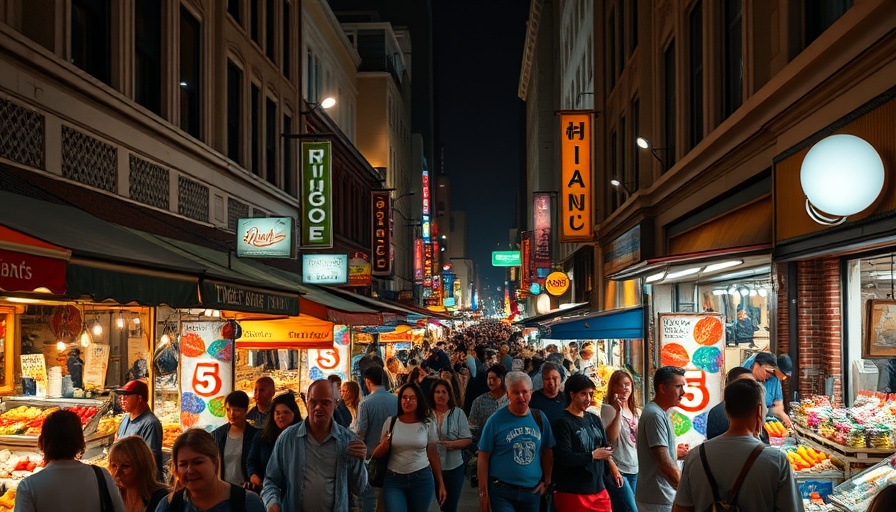
Nighttime street market in San Francisco under new vending legislation

A Rising Issue: San Francisco's Unpermitted Street Vending

As the pulse of San Francisco continues to beat with its vibrant street culture, a growing tension surrounds the practice of street vending, particularly unpermitted vending. Recent legislative moves by Senator Scott Wiener aim to give the San Francisco Police Department (SFPD) enhanced powers to address this issue more effectively. This article delves into the repercussions of new proposed legislation that may reshape the dynamics of local commerce and public safety.

Understanding the Legislative Push

Introduced in February, Senate Bill 276 seeks to empower the SFPD to cite unpermitted vendors selling items deemed frequently stolen goods—an effort to curb the chaos surrounding illegal street vending that many residents find concerning. Supporters argue that existing laws, particularly the 2018 law that decriminalized street vending, hinder effective policing of these unsanctioned transactions. Senator Wiener remarks on the community's vocal support for legislative change: "It’s so powerful to see San Francisco residents speak out about how this issue affects them and advocate for change," indicating a clear disconnect between policy and the residents' needs.

Cascading Effects of the Legislation

The proposed bill is not merely about issuing citations; it's part of a larger narrative involving public safety, local businesses, and community sentiment. Currently, enforcement relies on Public Works, which has faced threats during their attempts to regulate street vending. SB 276's tailored approach, specifically exempting food vendors, highlights a growing recognition of the need to balance enforcement with economic opportunities for those trying to earn a living through legitimate avenues.

Community Concerns and Local Perspectives

Residents and local business owners have voiced strong concerns over the existing conditions at hotspots such as the 16th Street BART Plaza, echoing a call for legislative action. Despite an apparent crackdown on illegal activities, many assert that the situation remains chaotic, prompting some to question the effectiveness of mere policing without addressing the underlying socio-economic factors that drive individuals toward street vending. This sentiment resonates through mission reports by local news outlets, emphasizing the need for measured, compassionate responses rather than heavy-handed enforcement.

Potential for Future Developments in Street Commerce

As the bill proceeds to the Appropriations Committee, it opens windows for further community engagement and public forums in discussing local commerce regulations. The Board of Supervisors will be tasked with identifying commonly stolen goods, an endeavor that could redefine the landscape of policing and public interaction in San Francisco. Stakeholders, including community advocates, law officials, and ordinary citizens, have a unique opportunity to contribute their insights and experiences to refine the legislative response.

A Broader Implication of City Politics

The proposed authority granted to the SFPD extends beyond street vending; it speaks volumes about the prioritization of public safety in city politics. The discourse around SB 276 reveals the challenges of curbing illegal street vending while accommodating the economic needs of individuals turned entrepreneurs. Advocates stress the importance of amending the existing laws in such a way that they specifically target the chaos brought about by illegal activities without infringing upon the rights of legitimate vendors.

Public Involvement: A Critical Component

The legislative journey of Bill 276 underscores the necessity for public involvement in local governance. As the situation continues to evolve, community forums that invite diverse perspectives can enhance decision-making processes, ensuring that policies enacted genuinely reflect and serve the needs of the people. As residents face the realities of urban commotion, their engagement becomes pivotal in shaping a safer, more viable future.

The Path Ahead: How to Get Involved

As this bill progresses, residents and local stakeholders have ample opportunities to voice their thoughts. Engaging with city council meetings, participating in community discussions, and making informed decisions about local business interactions can contribute to a more harmonious urban experience. It's essential for all voices to be heard as San Francisco navigates these challenging waters.

San Francisco Local News

Write A Comment

*
*
Related Posts All Posts

Honoring Alberto Rangel: A San Francisco Social Worker Who Made a Difference

Update Remembering a Beacon of Hope in San Francisco Alberto Rangel, a dedicated social worker with a nurturing spirit, is being remembered in the wake of his tragic death on December 6, 2025. Rangel, 51, was fatally stabbed by a patient while performing his duties at San Francisco General Hospital's Ward 86, a long-term outpatient HIV/AIDS clinic. His passing has left a profound impact on both his colleagues and the patients he served, highlighting the often-overlooked risks faced by social workers in the line of duty. A Life Dedicated to Service Rangel's life journey began in Muscatine, Iowa, where he experienced a loving upbringing in a family of Mexican descent. He later pursued a degree in Art and Art History at the University of Iowa and further obtained a master’s degree in Marriage and Family Therapy from the University of Notre Dame de Namur. His journey led him to San Francisco, where he found not just a home, but a calling in social work. Since 2021, he worked at Ward 86, where he was known for his commitment to connecting patients with essential resources, ranging from housing to addiction services. A Community Legend Rangel’s coworkers and friends recall his radiant personality, his ability to make everyone feel valued, and his genuine care for the needs of others. Katherine Alvarez, a friend and colleague, shared how Rangel welcomed her to the clinic with warmth and kindness. His small gestures, like sending thank you cards, made a lasting impression, emphasizing the importance of social connection in the field of social work. Creating a Culture of Care Besides his professional role, Rangel was a vibrant community member who fostered connections among his colleagues through social events, from art shows to celebrations of life milestones. His enthusiasm was infectious; Dr. Jorge Salazar noted that Rangel's lively spirit created a sense of community in the clinic, which made it feel like a second home for many of the staff and patients alike. Art as a Path to Healing Art was another significant aspect of Rangel's life. He used his painting skills to express his identity as a gay Latino, often creating pieces that told his stories and the stories of those he interacted with. His creativity not only served as a personal outlet but also as a way to connect with others on a deeper emotional level, bridging gaps across various identities and experiences. A Tragic End to a Vibrant Life The circumstances of Rangel’s death have sparked discussions about public safety and the risks that healthcare professionals face in their everyday roles. As the news of his passing spread, a vigil at the hospital drew many to pay tribute to a man whose life was dedicated to lifting others up. His husband, Stuart Moulder, recalled a vibrant spirit full of trust in humanity and the universe, shedding light on the resilience that Rangel embodied—a beacon of hope that will be missed deeply. Learning from His Legacy Rangel's life serves as a poignant reminder of the importance of valuing mental health professionals, many of whom operate on the front lines of community care, often facing risks in their work environments. The San Francisco community, alongside healthcare professionals throughout the Bay Area, is urged to reflect on the challenges that come with such dedicated service. How can we, as a community, support those who dare to care for the vulnerable? As we honor the life of Alberto Rangel, we are encouraged to embrace his spirit of generosity, compassion, and connection. Recognizing the work of social workers and understanding the landscape in which they operate will not only keep their memory alive but also reinforce our collective responsibility to foster a safer and more supportive environment for all.

Discover the Thrill of Rare Tropical Bird Sightings in San Francisco

Update Uncovering the Vibrant World of a Rare Tropical Bird in San Francisco The enchanting landscapes of San Francisco have recently been graced by the colorful presence of a rare tropical bird, highlighted in local photography that captivates both residents and visitors. Photographed by Michael Santiago on Fillmore Street, this sighting invites the community to appreciate the diverse and often surprising wildlife that exists amidst urban life. Nature enthusiasts and casual observers alike find delight in discovering such rare species that infuse their surroundings with color and splendor. The San Francisco Birdwatching Scene: A Hidden Gem Birdwatching in San Francisco is more than a pastime; it’s a cultivating community dedicated to exploring and preserving the unique ecology of the Bay Area. As the tropical bird graces local neighborhoods, it presents an opportunity for residents to engage with their environment and witness the incredible biodiversity that the region has to offer. From birdwatching expeditions along the coast to community discussions about avian habitats, efforts thrive to raise awareness about local species and promote environmental stewardship. Tropical Encounters: More Than Just a Bird This recent appearance of a tropical bird opens discussions about broader environmental impacts and preservation efforts in urban areas. As reported in alerts from the Tropical Audubon Society, the migration patterns and habitats of tropical birds reflect complex ecological changes shaped by climate and human activity. The flaming colors and playful demeanor of these avian visitors remind us that urban ecosystems can support wildlife and provide spaces for nature to thrive, even amidst towering buildings and bustling streets. Connecting Culture and Nature: The Role of Public Engagement The vibrant photography capturing this tropical bird serves a dual purpose: it engages the public and kindles a renewed appreciation for local wildlife. Local organizations are encouraged to promote cultural events centered around nature, connecting residents with artistic expressions of wildlife conservation. Workshops, educational programs, and art exhibitions focusing on avian life can deepen connections within the community while expanding awareness and advocacy for the preservation of local ecosystems. Predictions for Urban Biodiversity in San Francisco Experts predict that as cities continue to develop, urban biodiversity will become increasingly crucial in combating climate change and promoting mental well-being. The influx of birds like the tropical visitor seen in San Francisco underscores the potential for urban centers to serve as refuge areas. As individuals become more engaged in local wildlife conservation and anti-pollution efforts, communities can strive towards creating harmonious living spaces that incorporate nature into daily life. What You Can Do: Be Part of the Change For community members eager to participate in local biodiversity efforts, there are meaningful actions to consider. Join local conservation groups to promote bird habitats, participate in citizen science projects, or share your wildlife photos on social media to raise awareness. Every small action contributes to a larger movement toward ecological sustainability and appreciation for the extraordinary natural world on our doorsteps. By embracing the unexpected beauty of our urban environments, we can foster a culture that values and protects our avian neighbors. Join the Movement: Advocating for Urban Wildlife In light of the excitement surrounding the recent tropical bird sighting, it is essential for residents to reinforce their commitment to wildlife conservation. Engaging in community initiatives, advocating for local environmental policies, and supporting conservation organizations are vital steps toward protecting our shared environment. To continue these efforts, consider donating to local wildlife protection funds or participating in neighborhood clean-up events. Collectively, we can create vibrant ecosystems that delight and inspire future generations.

How MoAD Captured the Essence of African Diaspora Over 20 Years

Update Celebrating Two Decades of the Museum of the African Diaspora The Museum of the African Diaspora (MoAD) recently marked its 20th anniversary with a vibrant public celebration on December 13, 2025. The day showcased the museum's evolution and its commitment to the promotion of Black art, culture, and history. The anniversary's highlight was the opening of two major exhibitions: "Continuum: MoAD Over Time" and "UNBOUND: Art, Blackness and the Universe." These exhibits serve as a reflective lens on MoAD's journey—from its inception focused on anthropological perspectives of the Black experience to its current positioning as a contemporary hub for international Black artists. Art as a Reflection of the Diaspora Since its establishment in 2005, MoAD has sought to tell the comprehensive story of the African diaspora. Its signature work, Chester Higgins's photomosaic "The Girl from Ghana," acts as a three-story visual ambassador for the museum, emphasizing the diversity within the African experience. This mosaic is not just art; it is a declaration that the narrative of the Black community is multifaceted and global. With contributions from around the world, the mosaic embodies a mission that resonates deeply with the museum's ongoing engagements. A Transformative Leadership Journey Linda Harrison's directorship, starting in 2013, marked a pivotal turn for MoAD. Moving from historical representation to emphasizing contemporary artists, she reshaped the museum's vision while remaining true to its core identity. Under her leadership and that of her successor, Monetta White, MoAD has grown into a beacon of innovation and excellence. Speaking about the shift in focus, White stated, "The art we champion reveals the world as it really is: interconnected and complex and beautifully diverse." This sentiment highlights the museum's role in fostering dialogues about contemporary issues through art. Creating Inclusive Entry Points for Engagement One of the challenges contemporary art museums face is accessibility. Elizabeth Gessel, MoAD’s curator of public and academic engagement, recognizes this barrier, noting the intimidation many feel when entering such spaces. To bridge this gap, MoAD has developed programming that engages visitors through various mediums, including film, music, and food. This multifaceted approach invites a broader audience to connect with the narratives being presented, making art a shared experience rather than an exclusive encounter. Navigating Financial Challenges and Community Support Like many cultural institutions, MoAD faced significant financial hurdles, especially with changes in governmental support for the arts. Yet, its strong local community stepped up to maintain crucial programs that empower Black voices and emerging artists. Initiatives such as the "MoAD in the Classroom" and the "Emerging Artists Program" have shown resilience and adaptability, reinforcing the museum’s commitment to being a community-oriented institution. Looking Forward: A Global Stage for Black Art As MoAD enters its next decade, it is poised to amplify its global presence. The museum's new chief curator, Key Jo Lee, is leading efforts to expand its curatorial team and enhance exhibition quality. She emphasizes the need to address contemporary debates within the art community, asserting, "MoAD has done early exhibitions for some really wonderful artists that are now becoming household names." This forward-looking strategy aims to position MoAD not just as a local institution but as a prominent player in the global art dialogue. Conclusion: Engaging with Art and Community As MoAD grows into its third decade, it remains a vital institution committed to representing and celebrating the richness of the African diaspora. Its evolution serves as a reminder of art's power to connect communities and spark essential conversations. For those looking to engage with impactful art and culture in San Francisco, MoAD is a must-visit destination.Join us in celebrating the legacy and future of MoAD, an embodiment of creativity, connection, and cultural storytelling.

Terms of Service

Privacy Policy

Core Modal Title

Sorry, no results found

You Might Find These Articles Interesting

T
Please Check Your Email
We Will Be Following Up Shortly
*
*
*