cropper
update

{COMPANY_NAME}

cropper
update
update

CALL US

+1 (415) 993-3922

update

EMAIL US

robert@sfpressmedia.com

update

WORKING HOURS

Mon-Fri: 9am-6pm


  • About Us
  • Contact Us
  • Advertise
  • Industry Feature
  • update
  • update
  • update
  • update
  • update
  • update
  • update
June 30.2025
3 Minutes Read

Idaho Sniper Attack: What the Tragic Deaths of Two Firefighters Mean for National Safety

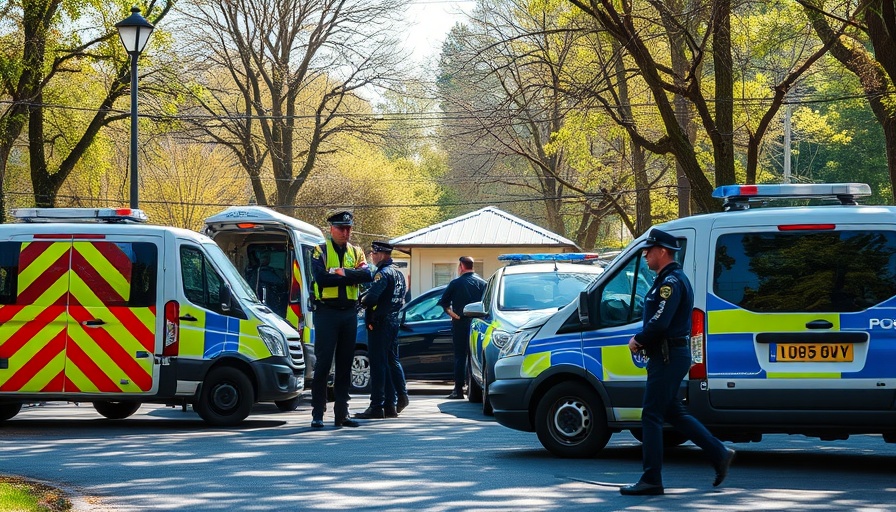
Police officers at Idaho park scene after sniper attack.

Tragic Shooting in Idaho: A Dark Day for Firefighting

The community of Coeur d’Alene, Idaho, is mourning after a horrific sniper ambush resulted in the deaths of two firefighters. While bravely responding to a wildfire in the rugged mountain terrain of Canfield Mountain on a typically warm Sunday afternoon, the firefighters found themselves under gunfire, illustrating the unpredictable and often dangerous nature of their work. The local authorities are still piecing together the details surrounding this shocking event, with a suspect identified but much still unknown.

Firefighters Under Fire: The Perils of the Job

The recent ambush highlights an often overshadowed aspect of firefighting: the intense risks that come with protecting communities from both fire and, as we've seen, hostile acts. Firefighters are typically viewed as heroes, working tirelessly to save lives and control blazes, but their vulnerability in situations like these raises questions about safety protocols and the need for enhanced protective measures during emergency responses.

A Pervasive Fear: Wildfires and Intentional Threats

Eyewitness accounts from emergency communications reveal chilling details as firefighters urgently sought help, believing they were targeted in what might have been an orchestrated attack. "There’s a fire, and we need assistance," one dispatcher reportedly relayed, underscoring a frightening realization that not all firefighters face fire alone; they may also encounter threats from individuals with malicious intent. This incident exemplifies how wildfires can serve as a bait to lure first responders, creating a through-line from natural disasters to modern dangers.

Seeking Justice: The Scope of the Investigation

As investigations continue, the authorities are exploring the possibility of multiple shooters, though they later sought to clarify whether there was just one perpetrator involved. Concerns about the individual’s motivations are paramount. This attack has reignited discussions about the safety of first responders, who often work in environments perilously close to insider threats, especially when the actions of those they aim to protect become hostile.

Community Support and Solidarity

In the aftermath, support for the grieving families and affected fire departments has poured in from across the nation, emphasizing community solidarity in the face of loss. Firefighting agencies are banding together, offering counseling services and support as they process both the tragedy and the emotional toll it has taken on their personnel. This incident will undoubtedly lead to broader discussions about community safety, resource allocation, and the mental health of first responders who face not only physical threats but also psychological burdens.

Future Implications for Firefighter Safety

One of the key takeaways from this tragedy is the urgent need for reassessment of safety protocols that ensure firefighters are adequately protected while responding to emergencies. As people debate the future of emergency response laws in light of such violence, it is imperative to invest in enhanced training, tactical safety measures, and survivor support. Fire departments must not only prepare their members for fires and medical emergencies but also instill a readiness for unexpected threats they could face from residents, even in times of crisis.

Reflections on a Somber Reminder

This bloody incident is a reminder that the lives of those who risk theirs to save others are often precarious. The oath taken by firefighters, to protect and serve, becomes profoundly more dangerous in the wake of such attacks—challenging not only their physical safety but also their emotional resilience. As investigations proceed, the nation watches in solidarity, hoping for justice and resolution while holding dearly onto the stories of those who have made the ultimate sacrifice.

Call to Action: Connect and Advocate

The fire service community stands at a crossroads, grappling with the realities of their profession amidst rising hostility. Join us in supporting initiatives aimed at improving firefighter safety and mental health resources by advocating for measures within local fire departments. Together, we can advocate for changes that prioritize the well-being of our first responders.

News

0 Comments

Write A Comment

*
*
Please complete the captcha to submit your comment.
Related Posts All Posts

Garden Grove's Chemical Leak Evacuation: Community Response and Safety Insights

Update A Sudden Evacuation: The Garden Grove Panic Residents of Garden Grove, California, faced sudden disruption as evacuation orders were issued for approximately 40,000 people when a chemical tank began leaking a hazardous substance. The urgency of this evacuation highlights the potential dangers associated with industrial chemicals and the importance of community readiness in emergencies. Understanding the Chemical Leak The immediate cause of concern is methyl methacrylate, an industrial chemical used in manufacturing plastics. On May 22, 2026, the storage tank at GKN Aerospace overheated, causing vapors to vent into the air. Fire officials have described the situation as an active crisis, where the threat of an explosion or extensive chemical leak remains imminent. This highly flammable substance can cause serious health concerns if inhaled, particularly respiratory issues, which prompted officials to take immediate action. The Community's Response and Impact The unexpected nature of the evacuation caught many residents off guard. Reports indicate that individuals like Danny Pham and Kim Yen had scant warning, leaving them to rush out with little more than their identification. Community members’ reactions underscore the panic associated with unforeseen threats. Local authorities, including the Orange County Fire Authority, are working round the clock to stabilize the situation and ensure the safety of evacuees. Health Risks of Methyl Methacrylate Health officials have cited significant risks associated with exposure to methyl methacrylate, including respiratory distress, nausea, and potential long-term health effects. The urgency of these warnings is particularly pronounced due to the unique nature of this incident. According to Dr. Regina Chinsio-Kwong, the chemical poses risks not just to people but also to animals in the vicinity. Protective measures, including the creation of containment barriers, are being employed to mitigate the risks of a full-scale disaster. Lessons from the Crisis: Preparedness Matters This incident reinforces the necessity for communities to have robust emergency preparedness plans. In a world increasingly reliant on industrial processes, the potential for accidents remains high. Educating residents about the risks associated with local industries and ensuring effective communication in emergencies is vital. Moreover, having a ready-to-activate evacuation plan can save lives and reduce panic. Future Predictions and Community Safety Initiatives As the evacuation unfolds and the situation develops, officials are likely to re-evaluate safety protocols at industrial sites across the region. Citizens can expect updates on safety measures from local governments aimed at preventing future instances of such emergencies. Community forums could play a vital role in discussing strategies and informing residents about how to stay alert and prepared. The Broader Implications for Industrial Safety The Garden Grove chemical leak serves as a reminder of the risks posed by industrial facilities situated close to residential areas. Many communities are historically placed next door to industrial operations, a factor that raises concerns about emergency responsiveness and infrastructure integrity. This incident may catalyze more stringent regulations for chemical handling and storage, making industrial safety a priority in city planning and zoning laws. Call to Action for Local Residents As Garden Grove recovers from this emergency, residents and local leaders are urged to reflect on the importance of safety measures, not just for immediate crises but as part of everyday life. Engaging in community safety discussions and preparedness exercises can empower individuals to be proactive in safeguarding their residences. In conclusion, the urgent and chaotic events surrounding the Garden Grove chemical leak are a stark reminder of the precarious nature of living near industrial sites. Awareness, preparedness, and community engagement will be essential as residents navigate the aftermath of this emergency.

Chemical Tank Leak in Southern California: A Community Faces Crisis

Update Understanding a Chemical Emergency: What Happened in Southern California? In May 2026, the community of Garden Grove, California, faced a terrifying reality as authorities responded to a severe chemical leak from a storage tank at the GKN Aerospace facility. Holding between 6,000 and 7,000 gallons of methyl methacrylate, an industrial chemical used in the manufacture of plastics, the situation escalated into an urgent crisis that prompted evacuation orders for approximately 44,000 people across multiple cities in Orange County. The Unfolding Crisis: A Day of Panic The initial alarm was sounded early on a Friday when firefighters were called to the scene. As the temperature of the tank rose, officials issued urgent evacuation orders not just for Garden Grove but also for neighboring cities including Cypress, Stanton, Anaheim, Buena Park, and Westminster. Local Fire Authority Chief Craig Covey stated ominously, "This thing is going to fail, and we don’t know when," emphasizing the potential for both a catastrophic tank failure and an explosion. Residents were left scrambling to find safety, with many recalling how unexpectedly the alerts happened. For individuals like Danny Pham, waking up to the siren meant desperate decisions—grabbing only essentials before evacuating to safer locations. Stories of fear and confusion permeated the affected areas, highlighting the close-knit community that was now under threat. The Risks of Methyl Methacrylate: A Dangerous Chemical Methyl methacrylate is a highly volatile substance that poses significant health risks. Exposure can lead to respiratory problems, skin irritation, nausea, and more serious health complications. As emergency crews worked to contain the situation, they faced the dual challenges of preventing a chemical spill and protecting the public's health. Dr. Regina Chinsio-Kwong, the county health officer, described the potential hazards, reminding residents of the dangers posed by the vapor released if the chemical overheats. A Community on Edge: Evacuations and Emergency Plans Evacuations were met with a mix of emotions as residents navigated the uncertainty of the situation. With schools closed and annual festivals canceled, the impact of the emergency was immediate and far-reaching. Local authorities established evacuation centers, where community members sought shelter and reassurances. Garden Grove Mayor Stephanie Klopfenstein reassured the public that the evacuation orders were necessary for their safety, while local Vietnamese television stations played a crucial role in disseminating information to ensure that all residents understood the severity of the situation. What Lies Ahead: The Importance of Preparedness This incident serves as a stark reminder of the importance of industrial safety and emergency preparedness within communities. Beyond the immediate effects of this crisis, it raises questions about how such facilities handle hazardous materials and prepare for potential leaks. Professionals in emergency management are now advocating for stricter regulations and better training for emergencies involving hazardous materials. As the dust settles, community members are left to reflect on their experiences and consider the steps that can be taken to prevent similar events in the future. Concluding Thoughts: Engaging with Local Safety Initiatives For those living in areas near industrial facilities, understanding the risks and knowing what steps to take during emergencies is vital. This event not only affected the immediate community but also called for a wider conversation about safety practices and protocols across the industry. As we reflect on the challenges faced during this crisis, it is imperative for residents to engage with local safety initiatives and remain informed about the industries operating in their vicinity.

The U.S. Response to Ebola: A Stunned Public Faces Serious Health Risks

Update The Current Ebola Crisis: How U.S. Officials Are Responding The recent outbreak of Ebola in the Democratic Republic of Congo (DRC) has prompted stringent measures from U.S. health officials. With President Donald Trump expressing concern over the situation after an American tested positive for the virus, authorities are taking action to mitigate the risks associated with the outbreak. The situation is critical, as the World Health Organization (WHO) warns of increasing cases and deaths due to the contagious virus. Understanding the Ebola Threat Ebola remains a significant global health concern, particularly in regions where outbreaks have been reported. The current epidemic in the DRC is alarming health experts and government officials alike. According to WHO, there have been at least 500 suspected cases and approximately 131 deaths attributed to the outbreak, raising fears of further international spread. The U.S. Centers for Disease Control and Prevention (CDC) has advised travel restrictions for non-U.S. citizens who have recently been in the DRC, Uganda, or South Sudan, effective for a minimum of 30 days. These measures, while oppressive to some, are aimed at ensuring public safety and curbing potential transmission of the virus. On-the-Ground Reality: Medical and Humanitarian Efforts Not only have American officials mobilized to issue travel warnings, but they are also facilitating the evacuation of American citizens who have been exposed to the virus. Dr. Peter Stafford, an American medical missionary treating patients in the DRC, tested positive for the Bundibugyo strain and is being treated in Germany. His case underscores the precarious nature of international medical missions in areas afflicted by viral outbreaks. The humanitarian aspects of the outbreak cannot be overlooked as health care workers also face increasing risks. The death of medical professionals from Ebola raises concerns of health care-associated transmission, leading to a cycle of risk for both local and international teams working on the front lines. As noted by Dr. Tedros Adhanom Ghebreyesus, WHO's director-general, the epidemic's scale is compounded by urban population density and displacement issues caused by ongoing regional conflicts. The Psychological Impact on Health Workers The situation evokes a visceral reaction among health professionals and individuals alike. The fear that permeates the air in affected regions can be paralyzing. Health care providers who expose themselves to these environments are not just battling a virus; they are also fighting anxiety, stress, and the emotional toll of their work. Their commitment to saving lives is admirable, yet it comes with inherent risks and challenges that are often overlooked by the wider public. Future Considerations: What Lies Ahead? As the situation develops, health experts are left pondering the long-term impact of this outbreak. With the severe strain Ebola can place on healthcare systems and the international aid response, many are asking whether enough is being done to prevent future outbreaks. Support from the international community will be paramount; the WHO has already allocated $3.9 million to support the response efforts in the DRC. Looking ahead, there are urgent calls for improved surveillance, contact tracing, and preparedness protocols globally. The international community must come together to ensure that lessons learned from past outbreaks enhance current responses and prevent similar crises. Why You Should Care For parents, adults, and families in the U.S. and throughout the world, understanding the dynamics of the Ebola outbreak is essential. Awareness can lead to better preparedness, not just for oneself but for the global community at large. As infectious diseases respect no borders, knowledge empowers action. Follow CDC updates, support humanitarian efforts, and stay informed about how you can make a difference. As we unravel this complex narrative, let us not forget the human element behind the statistics. The stories of those affected, the courage of health care workers, and the rapid response protocols being crafted serve as a reminder that each effort counts in the face of adversity.

Terms of Service

Privacy Policy

Core Modal Title

Sorry, no results found

You Might Find These Articles Interesting

T
Please Check Your Email
We Will Be Following Up Shortly
*
*
*