Add Row
Add Element
cropper
update

{COMPANY_NAME}

cropper
update
Add Element
update

CALL US

+1 (415) 993-3922

Add Element
update

EMAIL US

robert@sfpressmedia.com

Add Element
update

WORKING HOURS

Mon-Fri: 9am-6pm

Add Element

Add Element
  • About Us
  • Contact Us
  • Advertise
  • Industry Feature
Add Element
  • update
  • update
  • update
  • update
  • update
  • update
  • update
May 16.2025
3 Minutes Read

Kailash Hotel Controversy: Owners Seek City Intervention to Improve Conditions

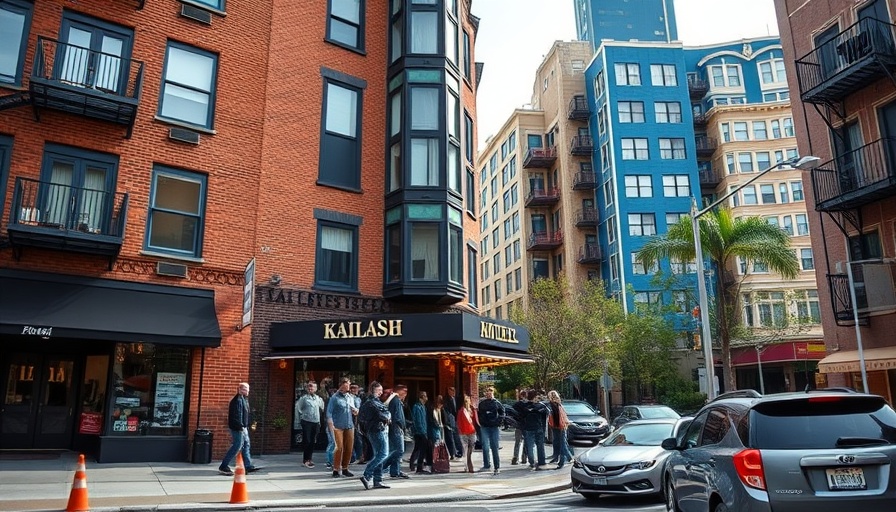
Street view of Kailash Hotel San Francisco with buildings and pedestrians.

Unpacking the Controversial Kailash Hotel Situation

The Kailash Hotel, located at the intersection of 16th and Mission Streets, has emerged as a focal point for community concerns in San Francisco, due to the activities and conditions that have plagued this 27-unit single room occupancy hotel. The hotel owners, Nick and Alpesh Patel, are now proposing to either sell or lease the property to the city, a move they believe could lead to a renewed focus on better management and improved living conditions for residents.

Historical Context: A Mixed Reputation

Since its inception, the Kailash Hotel has walked a fine line between being a source of affordable housing and a hotspot for criminal activity. Former supervisor Tom Ammiano recalls the hotel having a troubled reputation even in the early 2000s. "There are good people who work there, but the conditions are deplorable," Ammiano noted, reflecting a sentiment echoed by many neighborhood residents. The complaints range from room maintenance issues to public drug use, causing friction between residents and hotel guests.

Local Perspectives: Voices of the Neighborhood

Community members like Conrad Grass, who owns a nearby apartment complex, voice their frustrations about the negative impact the hotel has had on their quality of life. Describing daily clean-up duties from trash and needles that end up on the grounds, Grass paints a vivid picture of the challenges faced. The hotel’s management, however, has tried to paint a more compassionate picture, with Nick Patel claiming they facilitate access to sanitation facilities for unhoused individuals, thus making them a part of the community equation.

Potential Outcomes: What’s at Stake?

The discussions between the Patels and city officials shine a light on the critical question of what happens next for the Kailash Hotel. If the city takes over, it could mean an overhaul of the property management and services provided, potentially improving safety and living conditions for occupants. Neighbors, while skeptical, hold out hope that city intervention could indeed lead to a safer, more hygienic environment.

Future Predictions: What the City Could Do Differently

Considering the city’s commitment to increasing its bed capacity for the unhoused, the Kailash could become an improved site for transitional housing. The Bay Area has seen a series of city-led initiatives aimed at tackling homelessness through better resource allocation and housing plans. A potential city takeover might focus on integrating supportive services aimed at not just keeping the premises clean but enhancing the overall living experience for its residents.

Understanding Community Needs: More Than Just Housing

The narrative surrounding the Kailash Hotel encapsulates broader concerns regarding housing policies in San Francisco. It raises pivotal questions about the interplay between public safety, local governance, and community satisfaction. The local government’s involvement could signal a shift towards a more proactive approach in understanding and catering to community needs, particularly as they relate to public safety and hygiene.

A Call for Accountability: What Residents Can Do

As the city deliberates on the future of the Kailash Hotel, residents have the power to hold their elected officials accountable. Participating in city council meetings, advocating for community-led initiatives, and voicing concerns through public forums can ensure that the solutions crafted are not just top-down but genuinely reflect the needs of the community.

The Kailash Hotel situation is one that demands urgent attention, and as community members, it is crucial to engage with local governance actively. Join the conversation, share your thoughts, and help shape a future that fosters safety, hygiene, and quality living in our neighborhoods.

San Francisco Local News

0 Comments

Write A Comment

*
*
Related Posts All Posts

La Rancho Grocery Store Ready to Transform Former Philz Coffee Space

Update The Arrival of La Rancho Grocery Store on 24th Street On the cusp of a new beginning, the iconic site of what once was Philz Coffee at 24th and Folsom Streets is set to welcome La Rancho, a grocery store poised to serve the Mission District community. After the departure of the beloved coffee shop, which served its last cup in October 2023, this neighborhood is eager for a new local resource, especially one that promises a diverse range of groceries. Restoring Local Food Access La Rancho aims to fill a vital gap in access to local food options with its commitment to organic, Mexican, Western, and Arabic products. This focus aligns closely with current trends toward embracing diverse culinary traditions while ensuring that residents have access to quality, affordable groceries. According to a construction worker on site, the store is gearing up to open potentially within just weeks, bringing fresh produce and culturally relevant food items to a community that would benefit greatly from this development. Community Response: Welcoming La Rancho Community organizations are already rallying to support La Rancho's opening. Susana Rojas, executive director of Calle 24, expressed enthusiasm for the store's arrival, noting that they are working to ensure a successful launch. The effort emphasizes the importance of community involvement in fostering local businesses, particularly ones that can contribute to food security in the Mission District. Changing Times for Food Retail in San Francisco This transition at the former Philz location is reflective of broader trends in retail as traditional coffeehouses and food spaces adapt to the demands of the modern consumer. Just as the arrival of Mi Rancho Grocery in the Bayview neighborhood marked a significant step towards addressing food deserts, La Rancho has the potential to enhance food accessibility in another part of San Francisco. The support from both local leaders and residents illustrates a collective desire for more diverse grocery offerings. Positive Economic Implications The opening of grocery stores like La Rancho is not only beneficial for food access but also for economic revitalization in the area. Such establishments create jobs, generate local business revenue, and foster a sense of community through shared experiences in food shopping. Local government officials recognize the importance of food accessibility and community health as they welcome these new businesses, making efforts to promote and facilitate their success. The Legacy of Philz Coffee The closure of Philz Coffee after two decades in operation is a poignant reminder of the ever-changing landscape of urban business. Initially founded by Phil Jaber, the legacy left behind by Philz Coffee is one of community connection through a shared love of coffee. As the area transitions from coffee-centric to grocery-focused, it signifies a broader evolution of neighborhood needs and preferences. Conclusion: Excitement in the Air As La Rancho prepares for its opening day, there remains a palpable excitement in the air around 24th and Folsom Streets. The store symbolizes not just a grocery option but a reaffirmation of the Mission District’s cultural diversity and its commitment to serving the local population. As community members start looking forward to their grand opening, it’s clear that another chapter is poised to begin in a neighborhood that is resilient and continuously evolving. Stay tuned for further updates on La Rancho’s opening, set to provide fresh options and community connections in San Francisco’s vibrant Mission District!

204 Cases of Latent Tuberculosis at Riordan High: Public Health Implications

Update Understanding the Outbreak: Latent Tuberculosis ExplainedRecently, a significant outbreak of latent tuberculosis (TB) has been reported at Archbishop Riordan High School in San Francisco, bringing to light the complexities surrounding the disease. Tuberculosis, while once one of the leading causes of death globally, now exists mainly as a manageable health issue in the U.S., with latent cases posing a unique challenge. Latent TB, as opposed to active TB, is not contagious; however, it can remain dormant in those infected, potentially leading to active and infectious forms if left untreated. Dr. Susan Philip, the San Francisco Health Officer, reassured the public with her statement that the risk to the general population remains low, stating that proactive measures like contact tracing are key to managing the outbreak.Significant Findings: Data from Riordan High SchoolAccording to testing results from the San Francisco Department of Public Health, of the 1,261 tests conducted in the Riordan community, a concerning 204 cases were identified as latent TB. This represents about 16% of those tested and is notable when considering that only approximately 6% of the California population is believed to have latent TB. Dr. George Rutherford, a pediatrician and infectious disease expert at UCSF, highlighted that these numbers notably exceed what one might expect based on general background rates, prompting further investigation into possible clustering of these cases within the school.Comparative Context: TB and Community HealthHistorically, TB has not remained a significant health threat in the U.S. thanks to effective public health protocols and modern medicine. Approximately 13 million Americans live with latent TB, which is a stark reminder of the importance of continuous monitoring and testing. The CDC indicates that without treatment, around 5%-10% of people with latent TB will develop active TB at some point in their lives. For vulnerable populations, the risk is even higher, necessitating urgent intervention strategies as seen with the recent events at Riordan High.Response and Mitigation Actions by Health OfficialsIn response to this outbreak, the San Francisco Department of Public Health has actively engaged in testing and contact tracing within the school community. Following reports of active TB cases, the management response included intensive testing of nearly the entire student and staff population. Mostly cleared of risks, 99% of students and all faculty have resumed in-person classes under strict health protocols designed to mitigate any potential risk of spreading the disease further.Future Considerations for Public Health in San FranciscoThis outbreak, while alarming, allows health officials to assess the efficacy of their public health strategies and reinforce the importance of vaccination and regular health screenings in schools. Efforts are underway to educate families about TB's nature, treatment regimens, and preventive measures, ensuring the well-being of all students. Dr. Philip emphasized that the full resumption of classes marks a positive step forward, as they previously canceled live sessions to conduct exhaustive testing.The Role of Community Awareness and EducationFor families and communities, understanding latent TB and its implications plays a vital role in public health. Awareness initiatives can foster an informed environment where individuals can make educated decisions regarding health screening and the importance of treatment. By ensuring a robust dialogue about TB, its impact, and preventative strategies, outbreaks like the one at Riordan can be addressed more effectively in the future.

San Francisco District 4 Candidates: Key Issues That Matter Most

Update Understanding the Stakes: San Francisco District 4 Elections As the San Francisco District 4 elections loom closer, candidates are already outlining their visions for the community. This election comes on the heels of just a year with Alan Wong serving as an appointed supervisor, and the vacancy left by the recall of former Supervisor Joel Engardio emphasizes the volatile political landscape in Sunset. What Do Residents Care About Most? The residents of District 4 express distinct priorities, from affordability to safety. Candidates have voiced the need for representation that listens to the community and addresses pressing issues such as public safety and cost of living. Albert Chow, a lifelong District 4 resident, stresses “real representation and leadership.” He aims to restore community voices amidst feelings of exclusion that arose from recent political turmoil. Natalie Gee, as a legislative aide, has a unique insight into governance. She emphasizes tackling the high cost of living and public safety. Gee proposes getting more officers on the streets, particularly bilingual ones, to enhance community safety and reduce crimes that affect businesses and residents alike. Crime and Public Safety: A Growing Concern Public safety stands out as a significant concern for constituents. Recent crime data have indicated an uptick in incidents across the Bay Area, thereby fueling discussions around law enforcement presence. The need for responsive measures in this area is echoed among multiple candidates, signaling that residents want a supervisor who prioritizes their safety. Need for Affordability Solutions As housing prices continue to soar, affordability is rising to the forefront of voter concerns. Gee’s concern for affordability reflects a broader sentiment felt by families in Sunset and across San Francisco. With housing costs inhibiting newcomers and established families alike, candidates must propose innovative approaches to address the financial limitations of residents, balancing the interests of local businesses and services. Bridging the Gap between Candidates and the Community With the first election slated for June 2, followed by another in November, residents have opportunities to voice their preferences. It’s crucial for candidates to engage with the electorate effectively, creating a dialogue that extends beyond campaign soundbites. Hearing from constituents will not only allow candidates to cater their campaigns to real issues but also convey a sense of commitment and accountability. Looking Ahead: The Future of District 4 The District 4 elections present a pivotal moment for residents to influence the direction of their community and its governance. With each candidate proposing unique initiatives and insights into how they would navigate the challenges ahead, the importance of voter participation cannot be understated. Engaging in local elections is essential in ensuring that voices from all corners of the community are represented. Understanding the candidates' stances can help voters make informed decisions that reflect their values and priorities. Therefore, active participation in the upcoming discussions and debates is crucial.Tune in to your local San Francisco news outlets to stay informed about the candidates and issues at play, as they could shape the future of the Sunset district.

Terms of Service

Privacy Policy

Core Modal Title

Sorry, no results found

You Might Find These Articles Interesting

T
Please Check Your Email
We Will Be Following Up Shortly
*
*
*