cropper
update

{COMPANY_NAME}

cropper
update
update

CALL US

+1 (415) 993-3922

update

EMAIL US

robert@sfpressmedia.com

update

WORKING HOURS

Mon-Fri: 9am-6pm


  • About Us
  • Contact Us
  • Advertise
  • Industry Feature
  • update
  • update
  • update
  • update
  • update
  • update
  • update
June 29.2025
3 Minutes Read

Mission Street Drug Bust: Minimal Impact on Community Safety in San Francisco

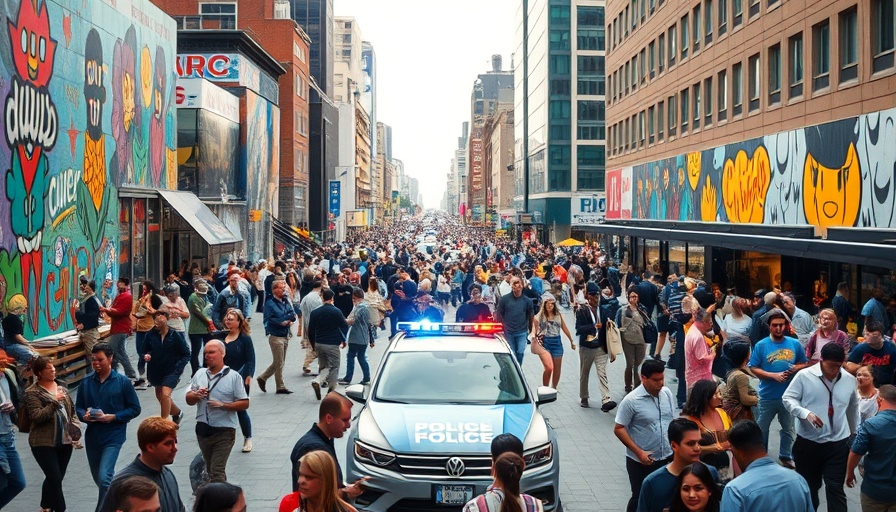
San Francisco local news scene with police car and people in plaza

Drug Busts: A Temporary Fix for San Francisco’s Ongoing Issues

As San Francisco strives to combat its drug crisis, the recent police action—a noteworthy operation that claimed to be one of the largest in the city’s history—seems to have yielded limited observable changes in the Mission District. Last week, 97 arrests were made in a move targeting fugitives, leading to the seizure of key narcotics including fentanyl, cocaine base, and methamphetamine, all while efforts to address this crisis continue amid community unrest.

The Reality on Mission Street

The scene on Mission Street, shortly after the drug bust, tells a complicated story. Unpermitted vendors still dominated the area as people streamed from the 16th Street BART Station to join weekend festivities like the Dyke March at Dolores Park. Residents and onlookers reported that while the sidewalks were initially clearer and cleaner during the morning hours, the influx of crowds by midday quickly reverted to the usual hectic atmosphere.

Despite authorities’ optimism regarding the arrests, many locals feel that these enforcement actions are more about optics than genuine change. By noon on the day of the bust, drug use and vending were again prevalent, highlighting a key concern: Are these measures merely surface-level solutions to a deeper, systemic issue?

Community Voices in a Complex Situation

Parents and residents expressed discomfort with the continuous presence of drug users and unregulated vendors in their neighborhood. "It feels like we’re just going in circles," one local mother shared, emphasizing the need for sustainable solutions rather than reactive measures. In a place like San Francisco, where the intersection of culture and public safety often creates tension, community perspectives are vital to understanding the full scope of local issues.

Shifting Perspectives on Drug Enforcement

There’s an ongoing debate regarding the efficacy of these large-scale drug busts. Some community advocates argue that policing alone will not eradicate drug issues, suggesting more comprehensive approaches that address the societal and economic factors fueling addiction. From access to mental health services to job training programs, experts advocate for a holistic view to societal reform that surpasses policing efforts.

Future Trends in Public Safety Initiatives

Moving forward, stakeholders must explore broader community initiatives aimed at improving public safety while also considering the nuanced needs of the population. As crime and drug issues swell and recede, the conversation must evolve from short-term arrests to long-term solutions that foster community development and individual recovery.

Concluding Thoughts and Community Engagement

San Francisco is at a crossroads, with drug-related challenges requiring urgent attention. But as parents and locals experience the ever-present struggles within Mission Street, it raises a poignant question: What kind of city do we want to be? Community engagement becomes essential in navigating these dilemmas as residents must band together to push for more than just reactive policing.

We urge you to stay connected and informed about ongoing discussions around community safety and development in San Francisco. Engage with local efforts and initiatives aimed at sustaining positive change in your neighborhoods.

San Francisco Local News

0 Comments

Write A Comment

*
*
Please complete the captcha to submit your comment.
Related Posts All Posts

Saikat Chakrabarti Gains Momentum With Ilhan Omar’s Endorsement in San Francisco

Update Saikat Chakrabarti's Bold Political Move In a significant development within San Francisco's political landscape, Saikat Chakrabarti has successfully secured the endorsement of Representative Ilhan Omar, the second member of the progressive group known as "The Squad" to back his congressional bid. This endorsement is not just a personal victory for Chakrabarti; it's a reflection of the shifting dynamics within local and national progressive politics as the race to fill the late Nancy Pelosi's seat heats up. The Squad Dynamics and Endorsements Chakrabarti, previously known for his role as chief of staff for Rep. Alexandria Ocasio-Cortez, has garnered support from Rep. Omar—widely recognized for her fearless stance on crucial issues such as Medicare for All and campaign finance reform. In her endorsement, Omar stated, "He has the integrity, courage, and principles this moment demands. He will fight for Medicare for All, getting big money out of politics, and fundamentally changing the system." This sentiment aligns with many voters in San Francisco who value progressive, transformative political approaches. Campaign Strategies and Financial Backing Chakrabarti's campaign strategy leans heavily on his financial clout, having invested upwards of $10 million of his own funds into the race. Such spending is expected to heighten visibility among constituents as the critical primary approaches—in just over a week, on June 7. The latest polls suggest Chakrabarti is in a tight race for second place, potentially with Connie Chan, while State Senator Scott Wiener is likely to secure a spot in the November general election. Attack Ads and Political Mailers With the election nearly upon San Francisco voters, the campaign landscape has ignited with both creative and aggressive advertising. One particularly eye-catching mailer opposing Chakrabarti portrays him unfavorably, calling out his Maryland residence as problematic. This tactic is not untypical of election cycles, where candidates leverage negative information to discredit their opponents. However, Chakrabarti has countered with his own informative mailers pointing to his opponent's corporate ties and portraying himself as a candidate who is free from the influence of corporate money. The Significance of Local News in the Elections For many voters in the Bay Area, understanding the intricate details of local political contests is vital. Comprehensive local news coverage serves as a crucial tool for community members to discern the implications of these high-stakes elections on their day-to-day lives. As local crime reports and public safety issues continue to dominate the news cycle, the intersection of local and national politics becomes apparent. Residents are increasingly aware that the products of these elections shape policies affecting public safety, traffic, health, and local initiatives. Community Engagement and Public Sentiments Chakrabarti's endorsement from Omar resonates deeply with younger voters increasingly disillusioned with traditional political strategies driven by corporate interests. This dynamic reflects broader societal trends where voters desire leaders who prioritize reform and community engagement over historical allegiances. Affirming these sentiments, many in San Francisco's diverse districts desire representation that mirrors their values, especially as local issues—like education, public transportation, and cultural initiatives—dominate community discourse. Looking Ahead: Predictions and Trends As the election looms closer, many speculate on the potential shifts in San Francisco politics depending on the outcomes of the primary. Will Chakrabarti’s progressive messaging resonate widely enough to elevate him in the ranks, or will the establishment, represented by candidates like Connie Chan, prevail? The responses gathered from various polling data show a growing desire for transformative political change—indicating voters may lean more heavily towards the Squad's ideals in their decision-making processes this June. The talk around Chakrabarti's campaign suggests that local elections are gradually transforming, with an increasing focus on personal integrity and community-centric policies over traditional party lines. Conclusion: What’s Next for San Francisco Politics? As we're currently witnessing an evolving political landscape in San Francisco—one characterized by grassroots movements and shifts in public sentiment—how voters choose to engage with these developments will shape the future of local governance. Parents, adults, and citizens alike should stay informed about the upcoming primaries through local news outlets, which play a pivotal role in bridging community concerns with political accountability. In this pivotal race, how will you make your voice heard? Engage with local news sources to track developments and ensure your vote reflects your community's values for the future.

Confronting Wealth Disparity: Saikat Chakrabarti’s $500K Bet on the Overpaid CEO Tax

Update The Overpaid CEO Tax: Addressing Inequality in San Francisco In a bold move, congressional candidate Saikat Chakrabarti has pledged $500,000 in support of Proposition D, a measure aimed at imposing higher taxes on large corporations with significant pay disparities between their executives and regular employees. This generous donation increases his total support to $600,000, as he aligns himself with a campaign that has already raised $2.5 million from smaller donors and labor unions alike. The Tech Titans Unite Against It The measure, dubbed the "Overpaid CEO Tax," has sparked fierce opposition from Silicon Valley billionaires, particularly Google co-founder Sergey Brin, who recently contributed $500,000 to the opposing campaign, significantly bolstering the "No on D" side that now boasts over $6.3 million in funding. This marks a notable clash between tech wealth and efforts to equalize compensation within the workforce. Why Prop D Matters to San Francisco Supporters argue that Proposition D is not only a crucial step towards balancing corporate influence in politics but is also necessary for restoring San Francisco's budget amidst fiscal deficits. Backed primarily by labor unions such as SEIU Local 1021, the measure aims to raise approximately $250 million to $300 million annually. These funds are expected to alleviate cuts to vital public services just as the city navigates a structural deficit projected at nearly $936 million over the next two fiscal years. The Stakes Are High Chakrabarti's recent donation can be interpreted as both a political maneuver and a profound belief in the need for tax reform that holds corporations accountable for their compensation practices. "I think it’s ridiculous that Sergey [Brin] and Chris [Larsen] are spending millions of dollars to try to stop it," Chakrabarti asserted, showcasing a growing tension between progressive candidates and their wealthier adversaries. Abolition of Economic Disparity In essence, Proposition D seeks to level the playing field by taxing companies that earn over $5 million annually if their CEOs earn at least 100 times more than the average employee. Critics, however, warn that such measures could deter business investments and hurt economic recovery following the pandemic. But proponents like Chakrabarti insist that it's vital for fostering long-term stability and ensuring equity in compensation. Community Support Is Crucial While unions praise Chakrabarti's financial commitment, they remain steadfast in their support for his opponent, Connie Chan. This highlights a critical point in political dynamics: money does not always equate to influence, particularly in a landscape governed by established community relationships and allegiances. Labor leaders appreciate Chakrabarti’s acknowledgment of the need for reform but will continue to back candidates aligned with their long-term goals. Looking Ahead: Will Prop D Pass? As voters prepare for the upcoming election on June 2, Chakrabarti's monetary influence may provide the necessary boost for supporters of Proposition D. However, the outpouring of funds from affluent backers against the measure raises questions about the role of wealth in political campaigns. With polls showing Chakrabarti in a tight race for the second spot leading to the general election, every contribution and political move will count. Why Your Voice Matters in This Election The debate surrounding Proposition D is a microcosm of broader national discussions about wealth inequality, corporate responsibility, and the mechanisms available for achieving change. The outcome of this measure in San Francisco could have lasting implications, not only for the city’s budget but also as a blueprint for other regions grappling with similar issues. Now, more than ever, it is essential for citizens to make their voices heard in this pivotal election. As the fate of Proposition D hangs in the balance, voters must weigh the potential consequences of their choices carefully. Engage with the community, discuss these issues with your neighbors, and make a point to cast your vote.

What the San Francisco School Board Recall Means for Our Children

Update Understanding the San Francisco School Board Recall ElectionsThe recent recall elections of three San Francisco Board of Education members have galvanized parents, politicians, and educators alike, bringing to light the complexities of local governance and educational policies. For the residents of San Francisco, particularly those with children in public schools, the recall serves as a pivotal moment in understanding school board accountability and community involvement in educational decision-making.A Result of Discontent and ControversyThe recall elections, held on February 15, 2022, resulted in the dismissal of three board members: Alison Collins, Gabriela Lopez, and Faauuga Moliga. This unprecedented move comes after a series of controversies regarding race, school closures during the pandemic, and the debate surrounding merit-based admissions at Lowell High School. Critics charged the board with negligence, citing delayed school reopenings despite lower COVID-19 case rates compared to other districts and prioritizing politically charged issues over children's education.Specifically, the board's decision to eliminate merit-based admissions at Lowell, a prestigious school known for its academic rigor, drew particular ire. This decision was deemed as politically motivated rather than educationally sound, contributing to concerns over declining academic standards within the district.Support and OppositionSupporters of the recall, including former Mayor London Breed and State Senator Scott Wiener, argue that the board's leadership displayed incompetence and failed to address pressing issues, such as the district's budget crisis. Polling data from 2021 indicated a significant lack of confidence among voters, particularly amongst parents, with many advocating for a change in leadership for the sake of student welfare.On the contrary, opponents of the recall asserted that it represented a step towards mayoral control of the school board, which they viewed as a threat to local autonomy over school governance. Additionally, some critics labeled the recall a political maneuver funded by wealthy donors with vested interests in promoting charter schools—thereby positioning the recall as a potential threat to progressive educational policies.Implications for Future Policies and GovernanceThe fallout from these elections will likely reverberate throughout San Francisco’s educational landscape, influencing future policies and public perception of the school board. The new appointees, chosen by the mayor, are expected to have a significant impact on educational initiatives moving forward, especially regarding admissions policies and budget allocation.This episode has broader implications for school governance across the state of California. With the trend of recall elections gaining momentum amid frustrations over responses to the pandemic and educational equity, local officials may need to develop more responsive governance structures that align with community needs and include diverse stakeholder voices.Your Role in Educational GovernanceFor parents and guardians, staying informed and engaged is essential. Attend school board meetings, join parent-teacher associations, and advocate for issues that matter in your community. Change starts at the local level, and your insights as a parent can help shape the educational experience of your children and future cohorts.ConclusionThe San Francisco school board recall elections underscore the intricate relationship between community demands and educational governance. As the district transitions to new leadership, it presents an opportunity for parents and residents to influence educational policy at a time of profound change. Being an active participant in local educational dialogues will ensure that the future of our schools reflects the hopes and aspirations of its most critical stakeholders: the students.

Terms of Service

Privacy Policy

Core Modal Title

Sorry, no results found

You Might Find These Articles Interesting

T
Please Check Your Email
We Will Be Following Up Shortly
*
*
*