Add Row
Add Element
cropper
update

{COMPANY_NAME}

cropper
update
Add Element
update

CALL US

+1 (415) 993-3922

Add Element
update

EMAIL US

robert@sfpressmedia.com

Add Element
update

WORKING HOURS

Mon-Fri: 9am-6pm

Add Element

Add Element
  • About Us
  • Contact Us
  • Advertise
  • Industry Feature
Add Element
  • update
  • update
  • update
  • update
  • update
  • update
  • update
September 02.2025
3 Minutes Read

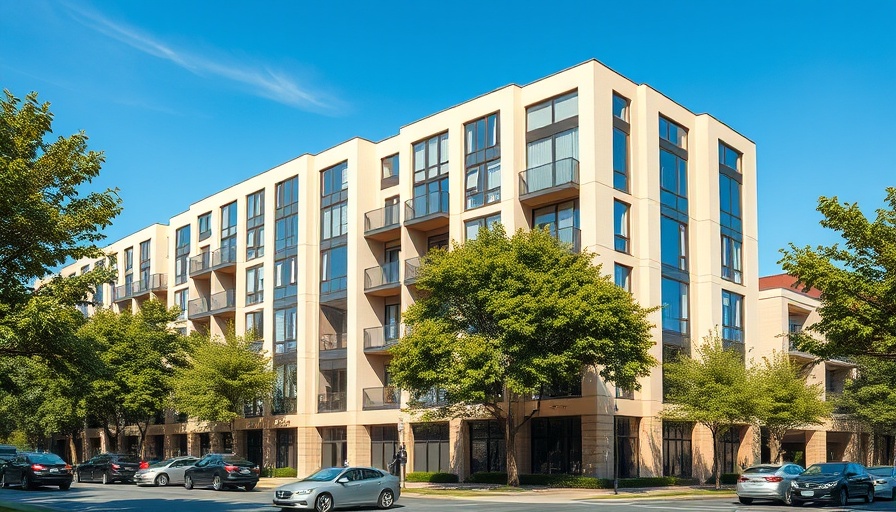
North Fair Oaks $70M Affordable Housing Project Marks a Transformational Shift

Affordable housing project in North Fair Oaks with modern building.

Breaking New Ground for Affordable Housing in North Fair Oaks

A $70 million affordable housing project has officially broken ground in North Fair Oaks, promising to deliver much-needed housing units to the community. The six-story development will feature a variety of apartment options, including studios, one-, two-, and three-bedroom units. This ambitious project is set to provide essential housing for a diverse range of residents, including families and individuals.

Significance of Affordable Housing Initiatives

In recent years, the shortage of affordable housing has become a pressing issue in numerous urban areas, including the San Francisco Bay Area. This project not only addresses this need but also highlights a broader trend towards increasing the availability of affordable housing. Similar developments are underway across the region, aiming to provide low-income individuals and families with greater access to housing opportunities.

The Community's Response

The North Fair Oaks community has largely welcomed this initiative, recognizing it as a step toward combating homelessness and housing insecurity. Local leaders advocate for more such projects, which they believe can contribute positively to community stability and social equity.

A Broader Picture: Housing Developments in the Bay Area

The North Fair Oaks project is not an isolated endeavor. In the greater Bay Area, similar initiatives are gaining momentum as cities grapple with housing shortages. For instance, developments that convert office spaces into residential units are becoming common, with local lawmakers exploring innovative solutions to housing crises. A notable example is the ongoing discussions about converting vacant lots and underused commercial areas into residential units.

The Role of Public and Private Partnerships

This affordable housing project exemplifies the power of collaboration between public agencies and private developers. Partnerships like these are crucial in leveraging resources to finance and implement housing projects, especially in regions where real estate costs soar. These collaborations can create models for future projects, fostering community trust and ensuring that developments serve the actual needs of residents.

Potential Impact on Local Economy

By increasing the supply of affordable housing, this project will likely invigorate the local economy. More residents will mean a higher demand for local services, which can help small businesses thrive. Local stakeholders are engaging in dialogues about how best to support this economic boost while ensuring that it brings positive outcomes for all community members.

Future Trends in Affordable Housing

Looking ahead, the success of the North Fair Oaks project could set a precedent for future developments across the Bay Area. As housing demand continues to outpace supply, innovative solutions will be critical. Upcoming trends may include the introduction of more sustainable building practices, mixed-use developments, and a shift towards community-centric housing models that promote inclusivity and diversified living spaces.

Concluding Thoughts: The Urgency of Action

The necessity for affordable housing in rapidly urbanizing areas like the Bay Area cannot be overstated. As cities take bold steps towards addressing these issues, community involvement and support for such projects will remain essential. Residents are encouraged to stay informed and engage in conversations surrounding housing initiatives in their area - a unified community can advocate for comprehensive change.

San Francisco Spotlight

0 Comments

Write A Comment

*
*
Please complete the captcha to submit your comment.
Related Posts All Posts

Harmit Singh's Retirement: What It Means for Levi's Future

Update Harmit Singh's Legacy at Levi Strauss: A Retrospective Harmit Singh, the chief financial officer of Levi Strauss & Co., has announced his plan to retire after over a decade in his role. His tenure is marked by remarkable growth and strategic innovations that have helped shape the iconic brand into a fashion powerhouse. Under Singh’s stewardship, Levi's has not only weathered economic storms but has thrived, adapting its business model to meet the ever-changing landscape of retail. From navigating the challenges posed by the digital revolution to enhancing sustainability initiatives, Singh’s leadership has been instrumental in steering the company forward. Singh's Key Achievements: Driving Change and Growth During his time at Levi’s, Singh has implemented forward-thinking financial practices that have bolstered the company's revenue streams. He played a crucial role in improving operational efficiencies, and his focus on sustainability has positioned Levi’s as a leader in responsible retailing. These initiatives not only resonate with environmentally-conscious consumers but have also paved the way for innovative product lines that appeal to modern shoppers. Inspired by the shift towards environmental responsibility, Singh has overseen the launch of initiatives that reduce water usage in denim production and increase the use of organic cotton. Such efforts demonstrate a tangible commitment to sustainability—a vital aspect for consumers today, especially in the U.S., U.K., Germany, and beyond. The Future of Levi's After Singh As Singh prepares to pass the baton, questions arise about who will step into his shoes and carry forward his vision. With leadership transitions often leading to significant changes in corporate strategy, expert commentators are keenly observing Levi’s next moves. Analysts suggest that maintaining Singh’s commitment to innovation and sustainability will be crucial for Levi’s continued success in the competitive retail landscape. Moreover, as the retail sector undergoes rapid transformation influenced by consumer preferences, the next CFO will need to embrace technology and digital transformation to cater to a younger audience seeking authenticity and accountability in brands. The Broader Economic Impact of Leadership Changes Singh’s departure is a reminder of how closely corporate leadership ties to economic performance, especially in retail. Each high-profile exit carries implications not just for the company but also for its investors and the industry overall. Local economies in the Bay Area and beyond could feel the repercussions of Singh’s retirement, as rates of employment and business opportunities in sectors supporting retail fluctuate. As we await news of Singh's successor, it’s important for stakeholders—whether they are consumers, employees, or investors—to consider how Levi’s will evolve to meet both market demands and internal challenges. A Reflection on Leadership in the Retail Sector Leadership in the retail industry poses unique challenges, especially in times of change. There can be a fine line between guiding a traditional brand while also breaking new ground. Singh exemplified balancing this dynamic effectively during his tenure at Levi's. His insights into the balance of cost control while fostering creativity in fashion have proven invaluable. It's a lesson for emerging leaders in the industry: embrace change while staying true to a brand’s core values. Conclusion: Embracing New Directions at Levi Strauss Harmit Singh’s planned retirement marks the end of an era for Levi Strauss but opens new possibilities for innovation and growth. With the focus shifting to the future, it is essential for those interested in retail trends to watch closely how Levi's adapts and evolves. The industry stands at a crossroads, and the path forward will be shaped by new ideas and leadership. As a final thought, readers are encouraged to explore the competitive retail environment and consider how changing leadership impacts overall market dynamics. What strategies do you think Levi's should implement to continue its legacy while adapting to modern challenges? Your insights could foster important discussions about the future of iconic brands.

Oracle Layoffs Hit Bay Area Workers Hard: What It Means for Local Economy

Update The Impact of Oracle's Layoffs on Bay Area Workers The tech industry is experiencing yet another wave of layoffs, with Oracle Corporation at the forefront. The company has announced a significant reduction in its workforce, cutting 654 jobs across multiple Bay Area facilities, including Redwood City, Santa Clara, and Pleasanton. These layoffs come as the tech giant restructures amid broader economic uncertainties and ongoing financial pressures, raising concerns about the stability and future of employment in the region. Context of the Layoffs: A Broader Trend in Technology The reality is that Oracle is not alone in these layoffs. Major tech corporations like Meta, Google, and Amazon have also made substantial workforce reductions this year, as the industry grapples with changing economic conditions. Increased automation, shifting market demands, and substantial investments in artificial intelligence have all contributed to the reassessment of workforce needs, leading to a rise in unemployment rates in key counties across the Bay Area. Many employees are likely feeling the strain of this uncertainty. The layoffs at Oracle specifically will affect roles at their facilities, with some employees having no union backing or options for reassignment. This can escalate anxiety among workers and their families about job security and economic stability. What Happens Next? Predictions for the Workforce According to industry analysts, the recent wave of layoffs could lead to increased competition for available tech positions as many skilled workers are suddenly in the job market. Companies are likely to be more selective during this process, especially as they seek to bolster their capabilities in AI and machine learning. This transitional period raises questions about the future workforce dynamics in Silicon Valley. Will companies invest more in the remaining employees to prevent further turnover, or will the trend of experimentation with outsourcing continue? Understanding the Real Estate Impact: High-End Market Trends As job cuts shake the job market, the San Francisco real estate landscape tells a different story. This week, a luxurious $24 million mansion hit the market in the heart of the city. Properties like this often serve as an indicator of wealth concentration, raising the question of whether the disruptions in the tech sector will impact the luxury housing market. Traditionally, high-end real estate has remained robust even during economic downturns, but this time may be different if layoffs continue and the tech industry downturn persists. The Community Response: Support Systems for Affected Workers In light of these layoffs, community support systems are vital. Many organizations and local government agencies are stepping in to provide resources for displaced workers. Workshops on resume writing, interview techniques, and networking events are crucial in helping individuals transition to new job opportunities. Moreover, mental health resources and counseling are necessary to assist those grieving their job losses and navigating uncertain futures. Exploring Local News: The Implications for San Francisco Residents For residents and those invested in local communities, understanding the ramifications of Oracle's layoffs extends beyond the immediate job losses. These developments may affect local economies, with potential decreases in consumer spending leading to reduced business growth in retail and service industries dependent on disposable income. San Francisco's local news outlets will need to closely monitor these changes as they highlight the importance of community resilience in response to economic challenges.

How the AI Boom Shapes San Francisco's Real Estate and Community Dynamics

Update AI Boom Reshapes San Francisco's Urban Landscape The recent surge in AI companies in San Francisco has fundamentally transformed the city's real estate market. While the sector's rapid growth has brought economic vitality and job creation, it has simultaneously intensified the existing housing crisis, aggravating issues related to affordability and space. The Impact on Commercial Real Estate As AI firms like OpenAI and Anthropic expand, they are leasing previously vacant spaces, with total commercial vacancies reaching nearly 27 million square feet, according to Cushman & Wakefield. OpenAI stands out as the most prominent player in the market, occupying approximately 1.2 million square feet, a substantial increase compared to just two years ago. This reflects a broader trend of tech companies adapting to the new hybrid work culture while still needing significant office space. Understanding the Growth of AI Companies In recent years, companies like Sierra AI, led by former Salesforce co-CEO Bret Taylor, have emerged as major contenders in the market. With this startup leasing nearly 300,000 square feet, it exemplifies the pace at which new firms can enter the market. The competition for office space among AI startups is fierce, prompting many to seek out favorable leasing agreements. This competitive environment is reshaping the commercial real estate landscape in the Bay Area. AI Alley: A New Hub for Innovation The coining of the term 'AI Alley' reflects the clustering of AI firms in specific neighborhoods like SoMa, fostering collaboration and fostering a tech ecosystem. This trend raises several questions regarding gentrification and the displacement of long-time residents as new tech hubs emerge. While the growth of AI companies contributes to job creation and innovation, it poses significant challenges for housing across the city. Looking at the Big Tech Players As startups vie for space, established players in AI such as Google, Meta, and Microsoft are adjusting their footprints in San Francisco as well. Google, known for its DeepMind project, has seen shifts, occupying approximately 1.2 million square feet but also reducing its overall office space, a reflection of changes in workforce models post-pandemic. Future Predictions: How AI Will Affect the Real Estate Market The trend of AI companies expanding could lead to further intensification of the housing crisis unless solutions are implemented. Future predictions suggest that if the current trajectory continues, we could see a major reinvention of both the commercial and residential real estate markets in San Francisco. Sustainable urban planning will need to become a priority to accommodate growth without sacrificing livability. Cultural Considerations and Local Perspectives For parents and families living in the Bay Area, the changes brought on by the AI boom can generate mixed feelings. The substantial job opportunities might attract new families to the area, while rising costs may push existing residents out. As the city grapples with these complex dynamics, community engagement will be crucial in navigating the challenges brought on by rapid technological expansion. Take Action: Engage in Civic Discussions about AI's Impact The rapid rise of AI companies in San Francisco presents both opportunities and significant challenges for residents. It's vital to engage in community discussions and support initiatives that promote sustainable growth. Understanding the impact of AI and the importance of real estate on our community can empower residents to make informed decisions moving forward.

Terms of Service

Privacy Policy

Core Modal Title

Sorry, no results found

You Might Find These Articles Interesting

T
Please Check Your Email
We Will Be Following Up Shortly
*
*
*