Add Row
Add Element
cropper
update

{COMPANY_NAME}

cropper
update
Add Element
update

CALL US

+1 (415) 993-3922

Add Element
update

EMAIL US

robert@sfpressmedia.com

Add Element
update

WORKING HOURS

Mon-Fri: 9am-6pm

Add Element

Add Element
  • About Us
  • Contact Us
  • Advertise
  • Industry Feature
Add Element
  • update
  • update
  • update
  • update
  • update
  • update
  • update
April 24.2025
3 Minutes Read

Kashmir Attack: Understanding India's Retaliation Against Pakistan

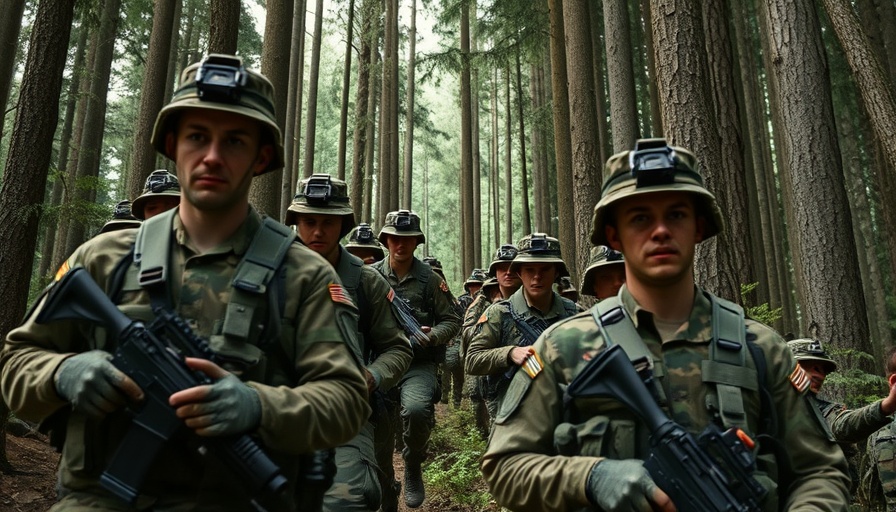
Soldiers patrolling forest in Kashmir, Kashmir Attack and Retaliation

Why the Kashmir Attack Shocked a Nation

The recent massacre in Kashmir, where militants brutally killed 26 tourists, has left an indelible mark on India’s psyche. It shattered the fragile peace that had settled over the region, evoking sorrow and outrage among Indian citizens. For many, these tourist victims represented the rekindling of hope for tranquility in an area long embroiled in conflict. The attack has stoked fears of escalating violence and highlighted the precarious balance of peace in Kashmir, a valley marred by decades of strife.

Political Fallout: India Strikes Back

In a swift response, India's government took decisive actions against Pakistan, accusing it of harboring terrorists who threaten Indian sovereignty. Prime Minister Narendra Modi's cabinet met to outline retaliatory measures, which included suspending a vital water treaty and shutting down critical land borders. These steps underscore not only India’s anguish but its readiness to escalate tensions, further complicating an already volatile relationship between the two nations.

The Historical Tensions Underpinning the Current Crisis

The roots of violence in Kashmir can be traced back to the partition of British India in 1947, which ignited a territorial dispute between India and Pakistan. Kashmir's status remains unresolved, and both countries have fought multiple wars over the region. This historical baggage adds a layer of complexity to the current crisis, as each incident ignites long-standing grievances and fears, making resolution increasingly elusive.

The Human Impact: Real Lives, Real Losses

As coffins returned to their grieving families, the human cost of this violence became starkly visible. The victims were not just statistics; they were people with dreams and families, many of whom were drawn to the breathtaking beauty of Kashmir for vacation. Emotional scenes unfolded across the nation as loved ones mourned their loss, showcasing a deeply personal side to the broader geopolitical narrative.

Counterarguments: Calls for Restraint

Amid the calls for revenge, voices advocating for restraint have emerged. Numerous analysts have warned against an escalatory cycle of violence, suggesting that retaliatory actions might aggravate the situation. They argue for a nuanced approach that emphasizes dialogue and conflict resolution rather than punitive measures that further deepen animosity. This perspective invites crucial discussions about the potential consequences of revenge tactics in a region already rife with pain.

What Lies Ahead: Predictions and Insights

The future of Kashmir remains unclear. Experts express concern that the current conflict could lead to intensified skirmishes along the Line of Control, further destabilizing the region. Future interactions between India and Pakistan will likely reflect this tension, with each side wary of the other’s moves. The potential for diplomatic dialogue seems strained, signaling that the path toward peace may be long and arduous.

Taking Action: What You Can Do

In the face of this tragedy, individuals can help foster an atmosphere of peace by supporting organizations focused on humanitarian efforts in conflict zones. Whether through advocacy, educational initiatives, or direct support, promoting understanding and compassion can make a combined effort toward long-term resolution in Kashmir.

Conclusion: Seeking Clarity Amid Turmoil

The tragic events in Kashmir remind us of the urgent need for peace and reconciliation in the region. As the Indian government takes stern actions against Pakistan, the specter of mounting conflict looms large over South Asia. To mitigate this risk, it is essential for all stakeholders to engage in decisive dialogue aimed at healing past wounds and building a sustainable future.

Events

Write A Comment

*
*
Related Posts All Posts

Canada's Trade Surplus: Key Insights on Exports and Economic Strategy

Update The Shift in Canada’s Trade Dynamics For the first time since the onset of the U.S. trade war, Canada has witnessed a surprising turn in its economic landscape, achieving a trade surplus of $153 million in September 2025. This change marks a significant milestone, driven by rising exports and decreasing imports, as reported by Statistics Canada. Notably, Canada's total exports surged by 6.3% in September compared to August, and imports fell by 4.1% during the same period. Understanding the Trade Surplus A trade surplus occurs when the total value of goods manufactured and exported exceeds that of those brought in. In September, exports to countries outside the United States soared by 11%, while exports to the U.S. grew by 4.6%, driven by heightened demand for Canadian aircraft, light trucks, and unwrought gold. Shifting Trade Partners in a Changing Economy With the ongoing uncertainties in trade relations, Prime Minister Mark Carney has been strategically guiding Canadian trade away from dependency on the U.S. By diversifying trading partners, Canada aims to reduce risks associated with tariffs imposed during the trade war. This strategy has included targeting markets like Switzerland, the Netherlands, and Italy for raw materials and crude oil, particularly as consumers in Canada are increasingly leaning towards domestic products. An Ipsos poll indicates that 72% of Canadians now actively avoid U.S.-made goods, reflecting a growing “Buy Canadian” sentiment fueled by patriotism and economic realities. Consumer Sentiment and Economic Impacts As trade dynamics shift, the consumer sentiment within Canada remains a powerful influence. Many Canadians express a tangible distrust towards U.S. products, stemming from persistent trade tensions. Research shows that about 60% believe they can't trust American-made goods the same way again. This perceived need to support local industries is contributing to a surge in demand for Canadian products throughout the nation. The Role of the Canadian Dollar The trade surplus has also positively impacted the Canadian dollar. As reported by Reuters, the loonie reached near its three-month high against the U.S. dollar, partly due to the decline in the greenback's value and the strong performance of Canada's export sector. Observers note that with the federal interest rates held steady, the market's perception of the Canadian economy remains relatively stable after the turbulence caused by trade disputes. Looking Ahead: Economic Predictions While this recent trade surplus presents a hopeful outlook, experts remain cautious. Economists warn that Canada needs to navigate the ongoing complexities of its trade relationships carefully, especially as the United States and Mexico approach a review of the USMCA agreement in 2026. Many predict that Canada will need to continuously adapt to maintain its economic momentum, especially with potential risks from fluctuations in global demand and domestic factors. Conclusion: The Path to Resilience Canada's recent trade surplus highlights a turning point in its economic resilience against the pressures of the U.S. trade war. With strategic moves toward diversifying trade relationships and supporting local industries, Canada stands at a juncture that could redefine its economic landscape. As consumers and policymakers continue to embrace a philosophy of buying domestic, there exists a path forward that emphasizes stability, support for local manufacturing, and growth.

Climber Charged with Manslaughter After Girlfriend Dies on Grossglockner

Update Tragedy Strikes on Austria's Highest Mountain: A Cautionary Tale The recent tragic death of 33-year-old Kerstin Gurtner, who froze to death on the Grossglockner, Austria's tallest peak, has spurred discussions on the responsibilities involved in mountaineering excursions. Her boyfriend, Thomas Plamberger, 36, faces charges of grossly negligent manslaughter after allegedly leaving her behind in extreme winter conditions during their attempt to scale the mountain. Plamberger, who was considered an experienced climber, is accused of several misjudgments during their ill-fated climb on January 19, 2025. Reports suggest that he left Gurtner, who was suffering from exhaustion and hypothermia, some 50 meters below the summit cross, in temperatures dropping to as low as -20 degrees Celsius with high winds. The prosecution's recent statement emphasizes how these errors were not only in planning, but also in their execution on the mountain that night. The Timeline of Errors: How Decisions Led to a Tragedy The couple began their ascent late, two hours after sunrise, which already reduced their chances of safely reaching the summit and descending before dark. Prosecutors allege that Plamberger's responsibilities as the more experienced climber should have dictated a more cautious approach. Their planned route was technically challenging, yet Gurtner was not adequately equipped for the harsh conditions, having been given inadequate climbing gear. Plamberger's decision to continue upwards despite worsening weather and the couple’s inability to respond to a helicopter signal for help marks a critical point in the tragic timeline. At around 10:50 PM, a police helicopter flew overhead, yet the couple reportedly signaled no distress. This decision, alongside failing to turn back earlier, constituted gross negligence, according to the prosecution, attributing to his responsibility for Gurtner's fate. The Weight of Responsibility: Decision-Making in Challenging Conditions The prosecution's findings indicate that Plamberger made at least nine significant errors that contributed to Gurtner’s death. This includes the omission to carry proper emergency equipment and failing to take Gurtner’s received signals of distress seriously. In many cases, seasoned climbers share responsibility for the safety and well-being of less experienced partners in such perilous endeavors. Emotional factors, such as the fear of disappointing a partner or desire to push limits for personal achievement, often influence decision-making in high-pressure scenarios, potentially leading to dire outcomes. Lessons Learned: Insights from Experts in Alpine Safety According to veteran alpine guides, the key takeaway from this tragedy is to prioritize judgment over ambition. Climbers should remain aware of their partners' limitations and recognize when conditions are too treacherous to proceed. Henri Degoulet, an IFMGA guide, suggests, “The only way to avoid moral questions of this nature is to ensure you’re never in that position in the first place.” This case serves as a stark reminder of the fine line between a daring adventure and a life-threatening situation. Emotional Aftermath: Remembering Kerstin Gurtner The emotional impact of this tragedy is profound, evidenced by the heartfelt tributes flowing in for Gurtner across social platforms, highlighting her as a beloved daughter, sister, and friend. A post from her family expressed gratitude for her presence in their lives and the legacy of loving memories she left behind. Plamberger himself expressed agony over the loss, reflecting on how Gurtner’s death haunts him. As legal proceedings unfold, this case will likely ignite further debates regarding safety protocols in climbing, demonstrating the necessity of thorough planning, proper equipment, and adherence to safety standards to prevent future tragedies. Conclusion: Navigating the Complex World of High-Altitude Climbing This incident serves to remind climbers and adventure seekers alike about the grave responsibilities they shoulder. The mountain is indifferent to personal relationships and aspirations; it demands respect and prudence. If you're passionate about climbing or winter sports, consider seeking guidance from knowledgeable experts and commit to understanding your limits and the conditions before heading into nature's terrain.

Vallejo's $700 Million Casino Plan Faces Legal Setbacks: What's Next?

Update Legal Hurdles for Vallejo's Mega-Casino DreamA proposed 160-acre, $700 million casino from the Scotts Valley Band of Pomo Indians in Vallejo is facing significant challenges. Legal disputes primarily from rival tribes—such as the Yocha Dehe Wintun Nation and the Koi Nation—are stalling the project, declaring the Pomo’s ancestral claims to the land in question. These rival tribes own nearby casinos and have filed their lawsuits against the U.S. Department of the Interior, which has raised eyebrows regarding the motives behind their opposition.What’s at Stake for Vallejo?The proposed project includes not just a casino, but also a housing development, restaurants, a cineplex, and a bowling alley. With such a massive investment, the city of Vallejo hopes to benefit economically from the employment opportunities and tourism that the casino could bring. But the ongoing litigation raises questions not only about the future of this casino but about economic development in the area.Unpacking the Trump Administration's PositionThe Trump administration's Department of the Interior has stated that the approval for the casino may have been based on a "legal error." This complicates the situation; if the administration decides to reevaluate its stance, it could significantly affect the casino's future. The outcome will hinge on legal rulings related to the claims against it.Community Response and Economic ConsiderationsWhile rival tribes challenge the project, local sentiment toward the casino remains mixed. On one hand, residents anticipate potential job creation; on the other hand, concerns regarding gambling's implications for community welfare persist. How residents feel about the casino is crucial as Vallejo stands to either gain immensely from the project or remain stuck in legal limbo.ConclusionAs the regulatory landscape continues to evolve with ongoing lawsuits and governmental assessments, the viability of the Scotts Valley Band of Pomo Indians’ proposed casino hangs in the balance. Whether it ultimately materializes could reshape Vallejo’s economic future dramatically. Residents and stakeholders will have to watch the proceedings closely, as the outcome will significantly impact their community's future.

Terms of Service

Privacy Policy

Core Modal Title

Sorry, no results found

You Might Find These Articles Interesting

T
Please Check Your Email
We Will Be Following Up Shortly
*
*
*