Add Row
Add Element
cropper
update

{COMPANY_NAME}

cropper
update
Add Element
update

CALL US

+1 (415) 993-3922

Add Element
update

EMAIL US

robert@sfpressmedia.com

Add Element
update

WORKING HOURS

Mon-Fri: 9am-6pm

Add Element

Add Element
  • About Us
  • Contact Us
  • Advertise
  • Industry Feature
Add Element
  • update
  • update
  • update
  • update
  • update
  • update
  • update
April 26.2025
3 Minutes Read

Student Visa Crisis: Legal Battles and Sudden Reinstatements Explained

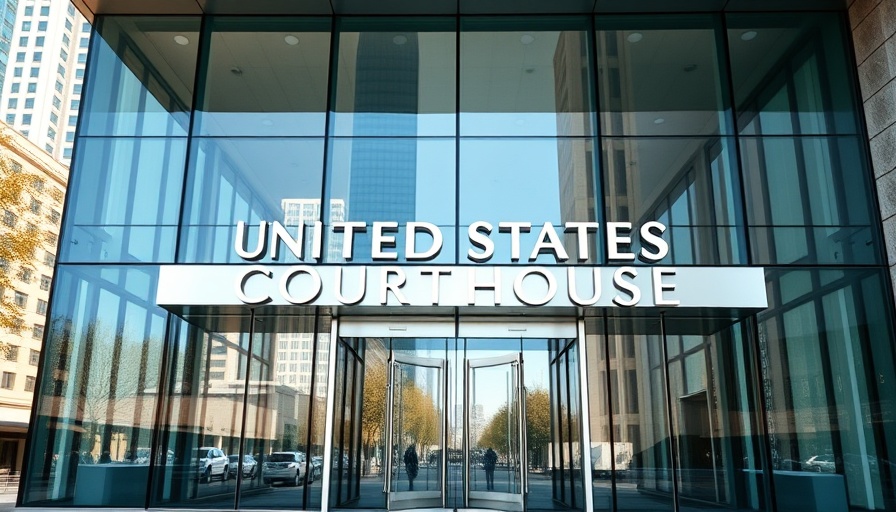
Modern courthouse entrance for student visa reinstatements

Unforeseen Reinstatements: A Complex Legal Landscape

On the eve of a pivotal hearing in Oakland, the landscape of student visas underwent a sudden and unexpected shift. A United States District judge had the potential to determine the immigration status of hundreds of international students, whose visas had recently been terminated under a controversial policy. However, a day prior to this critical moment, reports flooded in from across the nation about numerous reinstatements of student status—many occurring without the individuals having filed lawsuits. This sudden restoration of status raises vital questions about transparency and the future of immigration policy for students.

In this particular case, the judge temporarily restored the status of all plaintiffs involved but did not provide a comprehensive national ruling. The court plans to reconvene in mid-May to further examine the situation, which sharply involves eight lawsuits representing over 50 students and graduates. Strikingly, a third of the plaintiffs had their visas reinstated just before the hearing. Amid this backdrop, a government attorney revealed the agency is developing a new protocol for the termination of international student statuses, suggesting that affected students would remain under status until this new process is finalized.

The Impact of Ongoing Litigation

The legal turmoil surrounding these visa terminations extends beyond just individual stories. Reports indicate that at least 60 lawsuits are being pursued across the country, each challenging the immigration policies that led to widespread terminations. This mounting legal pressure has necessitated broader actions, including the pursuit of a nationwide injunction and multiple class-action lawsuits. Gilles Bissonnette, legal director of the ACLU of New Hampshire, suggests that the ongoing litigation may have compelled the government to reconsider its stance, having witnessed the profound effects on students' lives.

However, the nature of the changes, particularly in regard to transparency, has drawn criticism. Bissonnette pointed out the opaque nature of the policy implementation, stating, “This whole system or policy was implemented in secret,” leaving many students scrambling to understand their rights and options following the abrupt changes. The silence from the government regarding the mechanics of the reinstatement only compounds the uncertainty faced by students.

Long-Term Consequences of Policy Changes

The hearing further illuminated crucial concerns about the restoration of legal status. While many of the students may have regained some level of security, lawyers noted that the damage caused by the abrupt status terminations remains. For those who left the country during the uncertainty, a new visa application process awaits them; several students have lost their jobs or even faced detention during this tumultuous period.

During proceedings, government representative Pamela Johann emphasized that a national solution was unwarranted as they are actively working to reactivate the records of affected individuals. Judge Jeffrey White, however, expressed doubts about this claim, noting the unpredictability of the government’s decisions. “It seems like there’s a new order every day,” he remarked, highlighting the fluidity and inconsistency of the current immigration landscape.

Anticipating Future Developments

As the case progresses, the question remains whether a comprehensive national injunction will be established to offer lasting protection to students affected by these shifts. John Nicholas Sinodis, one of the plaintiff’s attorneys, argues that without a national order, long-term consequences could haunt the students who experienced status changes. These concerns of uncertainty are representative of a broader trend in U.S. immigration policy that has oscillated between strict regulations and sudden reversals, creating a precarious path for international students navigating their education and lives in America.

Taking Action: What Students and Supporters Can Do

In light of this evolving situation, it is essential for affected students and their advocates to remain informed and engaged. Collectively, they can push for transparency and consistent policy measures that bring clarity to a confusing and demanding process. By advocating for their rights and participating in legal proceedings, students can influence outcomes while also protecting their interests.

Ultimately, clarity and predictability in immigration policies can lead to better educational experiences for international students. As these legal battles unfold, raising awareness and mobilizing community support will be crucial in shaping the future of student visas in the U.S.

Lifestyle

Write A Comment

*
*
Related Posts All Posts

The Confusion Around HUD's Homelessness Funding: What’s Next for Local Services?

Update Understanding the Latest HUD Funding Changes In an unexpected turn of events, the U.S. Department of Housing and Urban Development (HUD) recently rescinded significant changes to its funding model for homelessness services just before a critical court hearing. This decision has caused a whirlwind of confusion among local service providers and governments who rely on these funds to support homeless populations. Both front-line workers and advocacy groups are grappling with a lack of transparency as they question the future of these vital resources. What Led to the Abrupt Changes? Earlier this month, HUD announced an overhaul aimed at shifting funding priorities towards temporary housing solutions that emphasize employment and treatment. This decision was met with criticism from service organizations such as Homebase, which projected a staggering $38.3 million loss in funding for San Francisco alone. The proposed changes triggered immediate legal action from California and other states, which sought to halt the new direction of HUD’s funding amidst fears that it would undermine essential long-term homeless support. The Implications of Funding Rescission The rescission of HUD's new funding plan leaves many unanswered questions for local agencies. With conflicting messages from the federal government, organizations are now unsure about the fate of already approved grants and how this will impact their operations. The ambiguity surrounding the disbursement of federal funds raises concerns about job security for those working in these agencies and the continuity of services for vulnerable populations. Call for Legislative Action Policy advocates are now urging Congress to intervene. Megan Rohrer, policy director at Compass Family Services, emphasized the need for legislative assurance that previously approved grants remain protected in HUD’s appropriations bill, which must be finalized by January 30, 2025, to avoid another government shutdown. As local service providers await further clarification, there is a growing urgency for lawmakers to establish clarity and security for allocated funds. Investing in Stability: Community Impact The changes brought by HUD represent a shifting landscape in how homelessness services are funded and delivered. For families, single individuals, and local advocacy groups, this rollercoaster of funding priorities can directly impact the stability and sustainability of services they rely on. With many cities awaiting guidance, organizations must find innovative ways to adapt to uncertain financial futures, while still advocating for the most effective means of support in their communities. Strategies for Navigating Uncertainty For local agencies facing this funding uncertainty, it is critical to remain proactive. Some strategies include: Building coalitions with other service providers to share resources and information.Diversifying funding sources to reduce reliance on federal grants.Engaging community stakeholders in grassroots funding campaigns. These approaches could bolster resilience in the face of evolving federal funding landscapes and enhance collaboration across various sectors serving the homeless. A Broader View: Homelessness as a National Issue This situation echoes a larger narrative across the United States, where homelessness remains a pressing national issue impacting countless communities. While local solutions are crucial, the federal government plays an indispensable role in providing necessary resources. Balancing immediate needs with longer-term support strategies is key to addressing the complexities associated with homelessness. To develop sustainable solutions, a unified approach involving all levels of government, as well as community organizations, is required. Conclusion: Preparing for the Future As we look to the future, the importance of stable funding for homelessness services cannot be overstated. The uncertainty surrounding HUD's latest changes underscores the need for vigilance among stakeholders. Local organizations must be prepared to navigate the shifting landscape while continuing to advocate for sustainable funding solutions.

Hunters Point Plutonium Discovery: Community Outcry Over Navy's Delay

Update Unveiling a Troubling Legacy: Hunters Point Naval Shipyard Recent revelations about the Hunters Point Naval Shipyard have reignited concerns over public safety and transparency. Located in San Francisco, this once-vital hub is now infamous for its contamination with hazardous materials, particularly plutonium-239. The narrative surrounding the Navy's management of this site sheds light not just on environmental health but also on the intersecting dynamics of public trust and governmental accountability. How Long Were They Keeping Secrets? The disclosure that the Navy detected elevated levels of airborne plutonium at Hunters Point came nearly a year after the tests were conducted. This 11-month silence from the Navy provoked outrage, not only from local authorities like the San Francisco Department of Public Health but also from concerned residents. According to Dr. Susan Philip, the city's health officer, such delays “undermine our ability to safeguard public health and maintain transparency.” The public's anger was palpable as they perceived this as a protective shield for the Navy rather than the residents at risk. The Public Health Community Reacts Community watchdogs and public health advocates expressed skepticism about the Navy's advocacy for safety assurances. They argued that the local authorities had alluded to knowing about the plutonium findings as early as October, yet they kept this vital information from both city officials and residents. This begs the question: why was transparency not prioritized? Critics argue that the Navy’s actions merely perpetuate a legacy of distrust in governmental institutions, particularly in communities near contaminated sites. The Fallout from Mistrust The implications of such secrecy extend beyond administrative negligence; they affect the potential redevelopment of the Hunters Point site, which aims to offer up to 10,000 housing units. As U.S. Rep. Nancy Pelosi stated, “The continued cadence of misfires in communication and delays ... erode the public trust in the Navy’s ability to complete this long-awaited cleanup and redevelopment.” A community once hopeful about economic revitalization now grapples with a heavy burden of skepticism, complicating future development efforts. Addressing the Health Risks: Are They Significant? While the Navy downplayed health concerns, indicating that the detected plutonium levels posed a minimal risk comparable to two chest X-rays over a year, the public's fear cannot be underestimated. The historical context of Hunters Point—where workers were exposed to radiation without adequate safety measures—adds a poignant layer of anxiety. The Navy's assurances may not be enough to alleviate these fears, particularly given past incidents where results were found to be manipulated or misstated. Opportunity for Change What can this incident teach us? First and foremost, it underscores the necessity for communal engagement in environmental conservation and public health. Residents demand not just acknowledgment of risks but comprehensive transparency in the oversight of cleanup efforts. As cities worldwide grapple with similar issues, the response in San Francisco may serve as a touchstone for larger dialogues on environmental justice in urban areas plagued by historical contamination. Lessons in Environmental Responsibility We live in an age where the public is increasingly aware and concerned about environmental issues, yet there remains a significant gap between exposure to hazardous materials and effective governance. As this narrative unfolds, it provides an essential roadmap for other cities confronting similar challenges. In essence, the saga of the Hunters Point Shipyard stands as a warning to both governmental entities and citizens alike about the adverse effects of secrecy and mistrust. By holding accountable those responsible for public safety, communities can foster an environment of trust and collaboration. If you are a resident, advocate, or stakeholder in cities potentially facing similar challenges, it is vital to stay informed and demand transparency from authorities. Engage with local public health initiatives and raise awareness in your community about environmental concerns. The health of your environment directly impacts the health of your family.

Hepatitis B Vaccine Guidelines Reversed: What Parents Must Know

Update New Vaccination Guidelines: A Threat to Public Health? A recent vote by a panel affiliated with the Trump administration has sparked outrage among public health advocates by reversing the long-standing guidelines that recommended routine hepatitis B vaccinations for newborns. On December 5, the Advisory Committee on Immunization Practices excluded recommendations for all newborns, allowing vaccination based solely on a mother's hepatitis B status. Consequences of Inaction: The Silent Threat of Hepatitis B Hepatitis B is often referred to as a "silent killer" due to the alarming statistics surrounding chronic infections. In the United States, over 70% of individuals with chronic hepatitis B are unaware of their condition, underscoring the need for early vaccination to prevent long-term health complications. Community health advocates note that failure to vaccinate could lead to increased chronic infections, particularly in vulnerable groups. Why Early Vaccination Matters: Protecting Future Generations The greatest risk for hepatitis B infection occurs in early childhood, with as high as 90% of cases potentially leading to chronic illness. This is concerning since adult exposure results in chronic infection only 5% of the time. The proposed guidelines could jeopardize the health of future generations if parents forego vaccinations based on outdated and misleading conclusions. Understanding that hepatitis B can be transmitted not only sexually but through contact with contaminated objects is crucial in shaping public belief about the necessity of vaccinations. Patient Advocacy and Community Response: A Call for Action Organizations like Hep B Free are leading efforts to educate the public about hepatitis B, emphasizing the importance of vaccinations. According to Richard So, the executive director, the panel's decision "is outrageous and not based on decades of scientific evidence." The CDC’s statistics show 80% of U.S. newborns currently receive the vaccine; however, rolling back recommendations could drastically reduce these numbers, leaving many children at risk. Counterarguments to the New Guidelines: Engaging with Diverse Perspectives Critics of the new vaccination guidelines often express concerns regarding vaccines encouraging premature sexual activity among youth. Yet, this perspective fails to recognize the necessity of infection prevention—especially for a virus that is far more infectious than HIV. Vaccination remains one of the most effective tools we possess in preventing hepatitis B infections among children and ensuring better health outcomes. The Future of Public Health: Mobilizing Community Support As conversations surrounding vaccinations continue, community advocates are emphasizing the need for strong public support to counter anti-vaccination narratives fueled by misinformation. Health providers and activists are urged to take these concerns seriously, striving to encourage informed discussions about the risks associated with hepatitis B and the benefits of vaccination. What You Can Do: Getting Involved in Health Advocacy It's essential for community members, particularly parents, to engage in discussions about vaccinations and public health policies. Joining local advocacy groups can amplify efforts to promote awareness and understanding of hepatitis B and other preventable diseases. Engaging with local health officials to inquire about vaccination programs and initiatives can also drive change. With the potential to lose decades of progress in battling hepatitis B, it is critical for the community to remain informed and actively involved in advocating for safe and effective health policies. The time to act is now—to ensure that we protect our children and the health of future generations.

Terms of Service

Privacy Policy

Core Modal Title

Sorry, no results found

You Might Find These Articles Interesting

T
Please Check Your Email
We Will Be Following Up Shortly
*
*
*