Add Row
Add Element
cropper
update

{COMPANY_NAME}

cropper
update
Add Element
update

CALL US

+1 (415) 993-3922

Add Element
update

EMAIL US

robert@sfpressmedia.com

Add Element
update

WORKING HOURS

Mon-Fri: 9am-6pm

Add Element

Add Element
  • About Us
  • Contact Us
  • Advertise
  • Industry Feature
Add Element
  • update
  • update
  • update
  • update
  • update
  • update
  • update
May 28.2025
3 Minutes Read

The Impact of the 16th Street Plaza Crackdown on Local Safety Perceptions

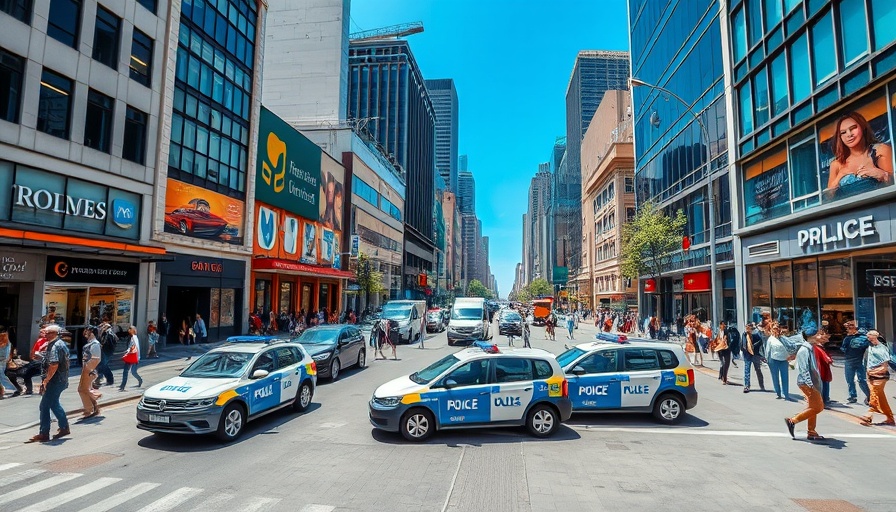
16th St Mission police presence highlighting San Francisco local news.

The 16th Street Plaza Crackdown: What’s Happening at 15th and Mission?

Day 78 marks a notable shift at the busy intersection of 15th and Mission Streets in San Francisco, as local shopkeepers are beginning to share their experiences amidst the ongoing crackdown at the 16th Street Plaza. The SFPD's mobile command unit, stationed strategically since the crackdown commenced, aims to address rising concerns about safety and cleanliness in the area.

Shopkeepers Speak Out: A Safety Boost or Just a Facade?

Victoria Ochoa, a deli worker at La Noisette, describes how the plaza's atmosphere has evolved over the past few weeks. "On weekdays, there are more homeless individuals present, and on weekends, vendors seem to scatter when they sense police presence," she shares, emphasizing the noticeable increase in garbage littering the streets. This juxtaposition highlights the sharp contrast in livability for both patrons and local businesses.

Across the street, Sam Ao, from Puff and Stuff tobacco shop, echoes Ochoa's sentiments, remarking on the positive impact of the mobile command unit. Many shopkeepers express that its constant presence fosters a sense of security. However, others, like Mo K from a nearby clothing store, question its real utility. “It’s good to have it,” Mo mentioned, “but what could it possibly do?” This raises a broader conversation about policing efficacy and community trust.

Community Voices: Safety Versus Surveillance

The mixed feelings about the mobile unit encapsulate a larger dialogue within the community regarding public safety in urban environments. While some commend the police presence for reducing incidents of open drug use and violence, others remain skeptical. Mo continues, reflecting on the psychological versus tangible effects of the command unit, and its limitations in addressing the root causes of the challenges faced. “It’s more about peace of mind than actual safety. The deep issues will still remain,” he states.

This leads to an insightful parallel: how can community initiatives be effectively combined with police action to foster a safer environment? Local leaders and city council members may need to explore innovative approaches that go beyond mere enforcement.

Impact on Local Businesses: Reflections and Future Prospects

As shopkeepers navigate this evolving landscape, the effects of the crackdown on local businesses become increasingly apparent. Increased foot traffic, albeit tempered by the policing efforts, has resulted in varied reports among merchants. While many welcome a slight decrease in visible crime, Ochoa notes that, despite the improvements, significant barriers remain, including persistent issues of debris and public disorder. These factors directly influence both customer experiences and business performance.

Reflecting on these developments, small business owners are starting to advocate for greater community initiatives that extend beyond law enforcement. Talks of local clean-ups, neighborhood watches, and partnerships with nonprofits could bolster efforts to create a more cohesive environment. Building stakeholder connections could engender transformation, altering the community narrative from one defined by safety concerns to one rooted in proactive engagement.

Future Predictions: What Lies Ahead for 16th Street?

Looking forward, stakeholders must contemplate the long-term strategies needed for sustainable safety in the Mission District. A collaborative framework that integrates public safety strategies with local community initiatives may hold the key to meaningful progress. Current reports indicate a fraction of improvement in safety but still reveal an array of issues that require dedication to resolve, such as homelessness and socio-economic challenges.

Community involvement is crucial. As residents express their perspectives, city leaders can devise plans that truly resonate with those most affected. Similarly, ongoing dialogues that emphasize diverse voices will foster broader support for initiatives. Small-scale programs that encourage social connection may bridge gaps between residents and the police, thus enriching the neighborhood fabric.

Conclusion: A Call for Collective Action

Ultimately, the events unfolding at 15th and Mission are about more than policing; they represent a community grappling with complex issues at a pivotal moment. Engaging in open conversations, fostering community involvement, and bridging divides may initiate the change needed for a more harmonious environment. Parents, residents, and local business members are encouraged to take part in community meetings and engage with local governance processes to advocate for their neighborhoods.

San Francisco Local News

0 Comments

Write A Comment

*
*
Please complete the captcha to submit your comment.
Related Posts All Posts

Tragic Case of Sharbel Saker Highlights Need for Public Safety Awareness

Update Tragic End for a Young Visitor: The Story of Sharbel Saker In a shocking incident that underscores the importance of public safety, 34-year-old Sharbel Saker from Los Angeles was found dead shortly after leaving the Martunis piano bar in San Francisco early on a Friday morning. His body was discovered near Market and Page streets, a few blocks away from where he was last seen. Despite the grim news, authorities have stated that no foul play is suspected at this time. Community Response and Support As news of Sharbel's death emerged, friends and family took to social media to share their grief and concern, highlighting the deep social ties Sharbel had in the Bay Area. Known for his vibrant spirit and connections, particularly since moving to San Francisco in 2018 to manage the Ripley’s Believe It or Not! museum, his passing has left many in shock and mourning. The Importance of Public Safety in San Francisco This heartbreaking event raises questions about public safety in urban environments like San Francisco. With nightlife hubs scattered across the Bay Area, ensuring the safety of residents and visitors alike is crucial. The San Francisco Police Department encourages anyone with information regarding this case to come forward, reminding the public that community involvement is key in addressing local crime issues. Understanding the Context Sharbel’s death occurred against a backdrop of ongoing discussions regarding public safety and urban crime in San Francisco. In recent years, the city has faced challenges related to rising crime rates, especially in popular tourist areas. Authorities have worked to implement community initiatives aimed at improving safety, highlighting the need for vigilance and cooperation between residents and police. Future Implications and Community Initiatives Given the tragedy, San Francisco might see a renewed focus on local crime prevention initiatives. Neighborhood safety programs could expand in the wake of events like this, with increased public engagement being crucial for their success. Residents might also advocate for better lighting and surveillance in key areas frequented by visitors. Emotional Impact on the Community The emotional ramifications of Sharbel's untimely death resonate deeply within the community. It serves as a stark reminder of the vulnerabilities that can surface, even in well-familiar places. How does one process such unexpected loss? We must acknowledge the grief that friends and family are experiencing, along with confronting the collective anxiety shared by many in urban settings regarding safety. Resources and Support For those affected by this incident or dealing with grief, various resources are available in the San Francisco area. Community support groups can provide a safe space to express emotions and share experiences. Additionally, mental health professionals are ready to assist individuals coping with loss or anxiety over public safety. Conclusion: A Call for Awareness As the details surrounding Sharbel Saker's death continue to unfold, there is a vital importance in bringing awareness to public safety concerns not only in San Francisco but in cities across the globe. Residents are encouraged to stay informed of local crime reports and improvements in public safety measures. Being engaged and aware is essential for creating a safer community.

Michael Levine: Leading a Transformative Approach to San Francisco's Homelessness Crisis

Update The Mayor's Vision: A New Direction for Homelessness in San Francisco In a decisive move signaling a commitment to tackling the homelessness crisis in San Francisco, Mayor Daniel Lurie is poised to appoint Michael Levine, a prominent Massachusetts Medicaid executive, as the new director of the Department of Homelessness and Supportive Housing. This appointment, already approved by the Homeless Oversight Commission, marks a fresh chapter in San Francisco's approach to one of its most pressing social challenges. Why Massachusetts? The Power of Experience Levine's tenure at MassHealth, Massachusetts’ Medicaid program, has garnered attention for its innovative strategies that intertwine healthcare with public welfare. With a staggering budget of $23 billion and oversight of nearly two million clients, Levine has extensive experience in addressing complex health issues, especially for the homeless population. According to Sharky Laguana, a commissioner advocating for Levine, this extensive background makes him “ridiculously qualified” to tackle the overlapping issues of homelessness and mental health. A Collaborative Approach to Homelessness Central to Levine's appointment is his belief that homelessness transcends mere shelter needs; it requires a multifaceted approach involving addiction treatment and mental health resources. As Levine stated, “Homelessness is more than a housing issue. We will only succeed in stabilizing lives if we treat addiction and mental health problems.” This holistic perspective aligns perfectly with Lurie's broader strategy to revamp how the city addresses homelessness. Bringing New Perspectives to a Longstanding Crisis Levine's recruitment reflects a growing trend among city officials to engage leaders from outside the immediate community. While some advocates hail this as a refreshing perspective during a time of crisis, others raise concerns about potential disconnects between Levine’s experiences and the realities faced by many within San Francisco. Critics like former Homeless Oversight Commission member Christin Evans argue that such outsiders may lack essential knowledge of local systems, and community concerns may go overlooked. Financial Strategy: Leveraging Medicaid for Homeless Services One of the key areas where Levine's expertise could significantly benefit San Francisco is his understanding of financial structures within healthcare. His experience suggests that funds from Medicaid and Medi-Cal could be utilized more effectively to support homeless initiatives, potentially relieving pressure on the city’s general fund. This shift would not only help in funding services but also reshape how services are delivered, making them more accessible to those in need. Future Trends: What Might Be Ahead? As San Francisco continues to grapple with its homelessness situation — exacerbated further by the ongoing drug crises — Levine's approach will be closely monitored. His integration of medical and social services might be a pivotal point in developing systems that sustain long-term recovery for vulnerable populations. This shift could signal a broader trend in urban areas across the U.S. seeking to reframe homelessness as a public health issue, rather than merely a matter of housing. Community Engagement: A Critical Component Moving forward, Levine has emphasized the importance of being visible in the community, stating his eagerness to engage with providers, residents, and the very clients the city serves. This outreach will be essential not only for understanding the diverse needs of the community but also for fostering a collaborative environment where solutions can be effectively implemented. A Call for Unity in Addressing Homelessness As Mayor Lurie prepares to officially appoint Levine, the future of San Francisco's homelessness strategies appears set for radical change. The integration of healthcare and supportive housing frameworks could very well provide the fresh perspective needed to truly tackle this multifaceted challenge. The question remains: will the city and its residents embrace this new direction, and will the initiatives succeed in creating lasting impacts? As we witness these developments unfold, it is vital for the community to remain engaged, voicing concerns and suggestions that can contribute to a more effective and humane approach to homelessness. Together, there remains an opportunity not just to address immediate needs but to foster an environment where every individual can thrive.

Understanding the Major Changes at the Marina Safeway: A 25-story Housing Proposal

Update The Controversial Vision for San Francisco’s Marina Safeway The proposed 25-story high-rise at the Marina Safeway site has transformed from a seemingly far-fetched notion into an impending reality. With nearly 800 housing units expected, the community is caught in the crosshairs of escalating housing demands and local opposition. As it currently stands, only 86 of the apartments will be affordable, raising concerns about gentrification and the impacts on the neighborhood. A Shifting Landscape State housing laws have dramatically altered the landscape for developers and city planners alike. Long gone are the days when local sentiments and neighborhood wishes held sway over development projects. Changes initiated by California legislation have empowered developers, allowing projects like this Safeway development to bypass extensive community debate and local oversight. The new framework gives municipal authorities limited avenues to halt or significantly modify such large-scale proposals, leaving neighborhoods like the Marina feeling abandoned in decisions that will affect their aesthetics, traffic, and community dynamics. Local Reactions: Voices from the Community Community members have voiced strong concerns about the project. With nearly 800 units, the size of the development has drawn criticism from residents who fear it will overwhelm local infrastructure and alter their way of life. Organizers from the Marina Community Association initiated a boycott of Safeway, suggesting that if the grocery chain disregards public sentiment, consumers might reconsider their loyalty to the brand. This protest underscores a growing frustration with the seeming inevitability of such developments. Erin Roach, president of the Marina Community Association, articulated a sentiment echoed by many: “Our call to action is to boycott Safeway... Who’s going to profit from this?” Her words encapsulate a larger struggle faced by communities statewide against the powerful influence of developers and state statutes. The Bigger Picture: Housing Crisis vs. Community Values While there is an undeniable need for housing in San Francisco—especially amid widespread affordability crises—there's a nuanced debate about how to achieve that without sacrificing community identity. Proponents of the Marina Safeway project often emphasize the need for housing accessibility. Groups like SF YIMBY highlight the building's potential benefits, stating, “It does a lot to address our needs.” However, these sentiments clash with resistance borne from fears of losing the neighborhood's charm and community spirit. A resident aptly summarized: “We’re not against housing, we’re against this development.” This reflects a pivotal question about scale and aesthetics within community initiatives, a debate that San Francisco is wrestling with as it faces rapid shifts. Exploring Future Development Trends As developments continue to emerge, what does the future hold for cities like San Francisco? Urban planners and residents alike should consider diverse perspectives when approaching housing solutions. The Marina project serves as a case study, demonstrating the balance of meeting urgent housing needs against ensuring that new developments align with community values. Will we see more adaptations of high-rise developments that respect local sentiment? How will state policies evolve in response to community pushback? The answers remain elusive, and the Marina Safeway proposal may be the bellwether for future developments across the state. Final Thoughts Ultimately, the proposed Marina Safeway development encapsulates deeper tensions within urban planning in California—between immediate housing needs and preserving the intrinsic character of neighborhoods. As local residents mobilize and demand more engagement, it is crucial for stakeholders to cultivate open dialogues that balance growth with community integrity. In a rapidly changing landscape, preserving local values while addressing housing needs will be vital for the city’s future. As this debate unfolds, keep an eye on developments that may reshape the San Francisco skyline and the essence of its diverse neighborhoods. For those who wish to stay connected and informed on local happenings, consider supporting community initiatives and engaging in public discussions about the future of housing in San Francisco.

Terms of Service

Privacy Policy

Core Modal Title

Sorry, no results found

You Might Find These Articles Interesting

T
Please Check Your Email
We Will Be Following Up Shortly
*
*
*