Add Row
Add Element
cropper
update

{COMPANY_NAME}

cropper
update
Add Element
update

CALL US

+1 (415) 993-3922

Add Element
update

EMAIL US

robert@sfpressmedia.com

Add Element
update

WORKING HOURS

Mon-Fri: 9am-6pm

Add Element

Add Element
  • About Us
  • Contact Us
  • Advertise
  • Industry Feature
Add Element
  • update
  • update
  • update
  • update
  • update
  • update
  • update
April 24.2025
3 Minutes Read

Transforming San Francisco's Real Estate: The Impact of the AI Alley Investment

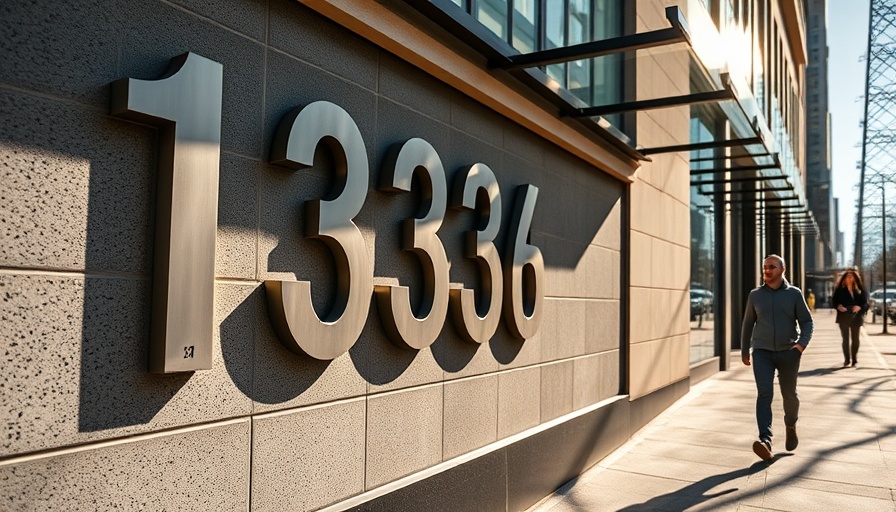
San Francisco commercial real estate trends seen in modern building facade.

Big Investment in AI Alley: What It Means for San Francisco

In a significant highlight for San Francisco’s commercial real estate sector, a 25-story office tower known as 300 Howard St. has been sold for an impressive $111.3 million. This sale stands out not just because of the hefty price tag but also as the largest transaction of its kind in the year thus far. The newly purchased property aims to attract a wave of artificial intelligence (AI) companies amid a revitalizing market.

The Renovation Vision: Turning Challenges into Opportunities

This transformation is spearheaded by a partnership between DivcoWest and Blackstone Real Estate, who recognized the opportunity to retrofit an empty building into a modern workspace that fosters the burgeoning AI field. Their strategy includes “hospitality-inspired upgrades” that focus on making offices more appealing to employees returning from remote work regimes—one such planned enhancement is a conference center designed to streamline collaboration and innovation.

The Evolution of 300 Howard Street: A Historical Perspective

300 Howard St. has a storied past, having housed recognizable names like StubHub, Fitbit, and eBay over the years. Its transition from a bustling tech hub to vacant property highlights a wider trend in San Francisco’s commercial space, exacerbated by a decrease in office occupancy rates driven by the pandemic. What does this mean for the future of office spaces in urban environments as we see companies shifting their operational models?

A Shift in Market Dynamics: The Case of Office Spaces

As a sign of changing times, this sale marks the first San Francisco office property transaction over $100 million in 2025, indicating a potential slump in market values. To give context, DivcoWest’s earlier investment in 2020 was at a valuation 70% higher than their recent sale price. This reflecting a stark decrease significantly emphasizes that investors continue to grapple with the shifting landscapes of urban workplaces.

Real Estate Trends: Investment Strategies Post-Pandemic

While some may view the tech industry's retreat from traditional office setups as a concerning trend, other investors, including Blackstone, remain optimistic about the potential for discounts and upgrades. Interestingly, Blackstone is also planning to offload another nearby asset, 45 Fremont St., which was written down to negligible value in 2023. This reveals a critical insight into the broader patterns of risk management and portfolio strategy in today's real estate market.

Looking Ahead: Future Insights and Predictions

The question remains—how can nearby properties adapt and attract future tenants? Mindful renovations may serve as a blueprint for other owners in the area by prioritizing wellness, flexibility, and community vibes which could create more engaging work environments. As AI companies ramp up their hiring, there is a notable opportunity for the Bay Area to redefine the workplace experience.

Why Investors Should Care About AI Alley

Investing in properties that cater to AI and technology firms isn’t just an attempt to fill vacant spaces but reflects a pivot towards future innovation. As developments like the Salesforce Park area flourish, these properties position themselves as beacons of progress within the tech landscape. Organizations looking to return to the office can leverage such spaces enhancing their reputations in establishing a vibrant workplace culture.

Engaging the Community: The Broader Implications of the Sale

This sale and subsequent renovations open a dialogue about the future significance of workspaces and collaboration in a post-COVID world. Community engagement is pivotal; companies invested in local developments foster greater ties, contributing to wins beyond purely economic outcomes. This also encourages discussions about urban planning, work-life balance, and city development as we navigate this new era.

In conclusion, as San Francisco works to redefine its office spaces, both investors and tenants alike are given the opportunity to rethink how we engage in our professional lives. The sale of 300 Howard St. not only underscores the shifting tides of commercial real estate but serves as an invitation to innovate in the face of evolving work habits. Interested in following the latest developments and opportunities emerging from the interactions between tech and real estate? Stay informed, as this narrative will continue to grow and shape your local landscape.

San Francisco Spotlight

Write A Comment

*
*
Related Posts All Posts

AI Jobs Are Rising: What Parents Should Know About the Skills Needed

Update New Jobs on the Horizon: The AI Revolution As artificial intelligence (AI) continues to evolve at a rapid pace, it not only reshapes industries but also creates a wave of new job opportunities. Roles such as "prompt engineer" and "vibe coder" have caught the attention of job seekers and employers alike. These positions capitalize on the unique capabilities of generative AI, contributing to a more dynamic job market. The Catch: Skill Requirements in a Changing Landscape While the rise of AI presents exciting opportunities, experts urge caution, underscoring the need for specialized skills. The technology sector requires individuals to possess both technical expertise and creative problem-solving abilities. As companies increasingly prioritize adaptability, candidates who can navigate AI tools effectively will be in high demand. This shift means that many traditional roles might become obsolete, making continuous education essential for the workforce. The Bigger Picture: Social and Economic Implications The ability of AI to transform jobs necessitates a broader discussion on its social and economic implications. For many parents and adults across the globe—from the USA to Australia—this change impacts not just career paths but familial structures and educational priorities. Understanding how to leverage technology for career advancement can empower individuals and families to make informed decisions in this evolving landscape. Your Roadmap to Success: Upskilling for Tomorrow's Jobs In this shifting job environment, the onus is on workers to adapt. Upskilling not only enhances an individual’s marketability but also equips them with the resilience to navigate the uncertainties of the future job market. Educational institutions and online platforms are already responding to demand, offering courses in AI literacy, data analysis, and cybersecurity, paving the way for individuals to remain competitive. Future Predictions: Where Will the Jobs Go? Experts predict a significant increase in tech-oriented positions within the next decade. According to insights from various industry analysts, jobs related to AI, data management, and cybersecurity are expected to dominate the market. This trend signals a potential shift in higher education, necessitating institutions to align curriculum with tomorrow's demands. Addressing Concerns: Job Displacement and Resilience Job displacement remains a valid concern as industries integrate more AI systems. Nevertheless, the focus should not solely be on the jobs lost but on how to harness AI as a tool for enhancement rather than replacement. For families and parents, maintaining an open dialogue about the evolving job landscape can foster adaptability and a proactive mindset towards learning. Actionable Steps for Parents and Professionals For those affected by the shift in job dynamics, understanding how to prepare for these changes is critical. Parents should consider advocating for tech education initiatives in schools, ensuring the next generation is equipped with the necessary skills. Furthermore, professionals are encouraged to actively seek out training and certification programs to stay ahead in their respective fields. As AI continues to reshape the world of work, staying informed and adaptable is no longer an option—it's a necessity. Embracing change with a mindset of lifelong learning will better position individuals and families to navigate the intricacies of tomorrow's job market.

Wealthfront’s Successful IPO at $14: A New Era for Robo-Advisors

Update Wealthfront's Historic IPO: A Financial Milestone In a significant development for the tech investment sector, Wealthfront’s initial public offering (IPO) successfully priced at $14 per share, enabling the robo-advisor to raise nearly $484.6 million. This staggering amount marks a notable leap in the company’s valuation, especially considering previous offers made by prominent financial institutions that undervalued its potential. The Rise of Robo-Advisors in Personal Finance Wealthfront is recognized as one of the pioneering robo-advisors in the financial industry, catering especially to a younger demographic. With automated investing products that utilize algorithms to manage clients' portfolios, Wealthfront has significantly changed the landscape of personal finance management. The company’s innovative approach appeals to those who prefer digital solutions over traditional financial advisement, offering a compelling alternative as younger consumers turn increasingly towards tech-driven services. Comparative Analysis: Backing from Financial Heavyweights Wealthfront's journey is paralleled by struggles faced by other startups in securing their valuation. Notably, before its IPO, Wealthfront faced skepticism from potential backers, with a major Swiss bank previously undervaluing the firm significantly. However, recent market performance has reflected a bullish outlook on tech-based financial advisory firms, showcasing a shift in investor sentiment. Understanding the Market Valuation Dynamics This IPO comes at a time when the broader market for fintech is experiencing robust growth, fueled by increased consumer appetite for digital investment options. The IPO was oversubscribed multiple times, indicating high investor confidence and suggesting that there is a substantial demand for Wealthfront's services in the growing digital investing landscape. Analysts believe that this surge mirrors the growing trend of consumers seeking financial independence and innovative approaches to investment management. Future Predictions: What Lies Ahead for Wealthfront? Looking ahead, Wealthfront's pricing strategy and the capital raised will likely play a crucial role in its expansion plans. The company intends to invest heavily in technology and customer service, which could enhance its market position. Additionally, as the fintech industry evolves, Wealthfront may explore new product offerings or strategic partnerships to further drive growth. The Broader Investment Picture This IPO also highlights the increasing relevance of technology in the finance sector, indicating a potential trend where traditional investment models may face disruption. Parents and individuals from diverse backgrounds should be aware of these shifts as they reconsider their investment strategies, potentially gravitating towards automated platforms that promise ease and transparency. Key Takeaways for Investors For those considering an investment in Wealthfront or similar companies, staying informed on market trends and corporate strategies is essential. Awareness of how automated investing can simplify portfolio management could lead to financially savvy decisions. Moreover, potential investors should engage with current news and analysis to understand how such platforms adapt to market fluctuations and consumer demands. In conclusion, as Wealthfront successfully marks its territory on Wall Street, it is pivotal for parents, adults, and individuals from the USA and beyond to recognize the implications of such technological advancements in finance. The automated investment space is undeniably on the rise, and aligning investment strategies with these emerging trends could prove beneficial for financial futures.

Oceanwide Center’s $1.6B ‘Money Pit’ Set for Revival Under Local Buyers

Update The Fall and Rise of Oceanwide Center: What’s Next for San Francisco's Iconic Site?After a prolonged period of stagnation, the Oceanwide Center in downtown San Francisco is on the brink of revival. Initially touted to be the city’s second tallest tower, the once-promising project faced numerous challenges that left it largely abandoned since 2019. Now, a local developer believes it can breathe new life into what has become a notorious blight in the downtown skyline. Dan Kingsley, a seasoned developer and co-founder of the San Francisco Recovery Fund, is poised to acquire the beleaguered site for an eye-popping $100 million, a staggering 92% discount from the $1.6 billion originally invested.A Long Pause: Why Did Construction Stop?Oceanwide Holdings Group, the initial developer, faced a series of financial difficulties that culminated in the abandonment of the project. The Chinese government imposed stricter regulations on international investments, many of which impacted Oceanwide’s operations worldwide, leading to halted construction at Oceanwide’s Los Angeles site as well. By mid-2020, only the foundation of the high-rise had been laid, leaving a gaping hole that became symbolic of broader economic woes in the city during the pandemic.Investor Confidence: A Local Perspective on the DealKingsley, stepping into the project with his newly formed entity, brings with him a wealth of experience. Having transitioned from his firm SKS Partners, where he helped to transform city landscapes through value-added redevelopment, he is now focused on reviving infamous local projects. His acquisition of Oceanwide Center could signal not only the end of a frustrating chapter for the site but also the rebirth of a crucial part of San Francisco's urban identity. While details of Kingsley’s plans remain undisclosed, the project originally aimed to include two towers featuring residential and commercial spaces, a Waldorf Astoria hotel, and unparalleled views of the Salesforce Tower.The Road Ahead: What Can Locals Expect?As the deal inches toward completion in early 2026, local residents and potential tenants are left wondering about the future. With rising housing costs and an increasing need for office space post-pandemic, the hope is that this new development could cater to both needs, thereby revitalizing an area in need of economic stimulation. However, many questions linger regarding the project’s long-term viability and how it will fare in a rapidly changing real estate market.The Bigger Picture: Revitalizing Downtown San FranciscoThe acquisition of Oceanwide Center plays into a broader narrative about the future of San Francisco’s downtown. With the pandemic shaking the foundations of commercial real estate in major cities, efforts to rejuvenate urban spaces are more critical than ever. Local developers like Kingsley see immense opportunity in addressing issues left in the wake of the pandemic—transforming underutilized sites into vibrant hubs of activity while simultaneously injecting capital back into the local economy.Key Takeaways: Lessons from the Oceanwide ExperienceThe story of Oceanwide Center is emblematic of the challenges and opportunities endemic to urban development in 2025. Today’s developers must navigate a complex blend of market needs, financial constraints, and changing regulations. As Kingsley attempts to capitalize on the remnants of their predecessor’s ambition, they also must ensure that the resultant development aligns with the broader community's aspirations. This transition from a ‘money pit’ to a potential cornerstone of downtown revitalization is indicative of an eager market looking to reclaim its past glories.As developments like Oceanwide Center come back to life, they echo a hopeful sentiment that San Francisco's best days are still ahead, waiting to be rebuilt one project at a time.

Terms of Service

Privacy Policy

Core Modal Title

Sorry, no results found

You Might Find These Articles Interesting

T
Please Check Your Email
We Will Be Following Up Shortly
*
*
*