Add Row
Add Element
cropper
update

{COMPANY_NAME}

cropper
update
Add Element
update

CALL US

+1 (415) 993-3922

Add Element
update

EMAIL US

robert@sfpressmedia.com

Add Element
update

WORKING HOURS

Mon-Fri: 9am-6pm

Add Element

Add Element
  • About Us
  • Contact Us
  • Advertise
  • Industry Feature
Add Element
  • update
  • update
  • update
  • update
  • update
  • update
  • update
August 22.2025
2 Minutes Read

Trump and Putin: What Their Nice Gesture Means for U.S. Relations

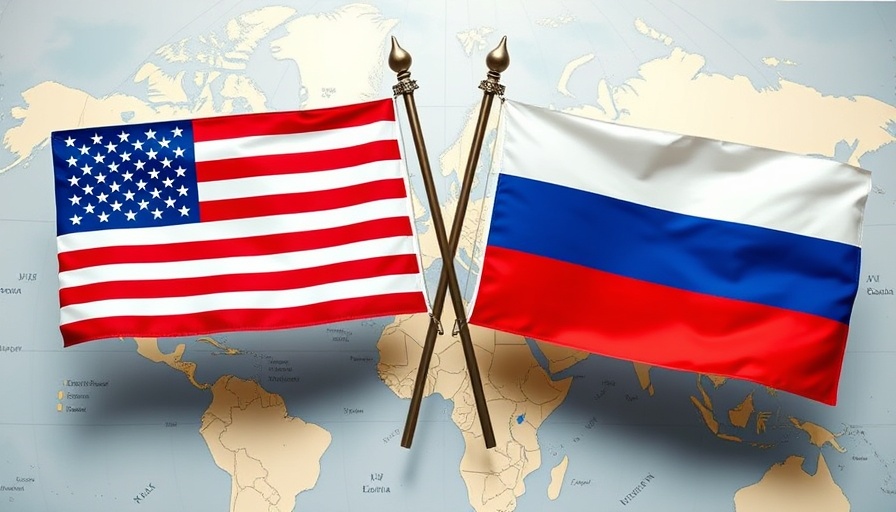
Conceptual image of U.S.-Russia relations with crossed flags.

Trump's Unexpected Affection for Putin

In a surprising twist during a press event, former President Donald Trump relished the attention from Russian President Vladimir Putin, showcasing a rare moment of mutual admiration on an international stage. The gesture, labeled as "nice" by Trump, has garnered mixed reactions from both political allies and opponents, highlighting the complex relationship between the U.S. and Russia.

The Diplomatic Significance of Presidential Gestures

Presidential gestures often carry more weight than mere words. In the case of Trump and Putin, this latest display of camaraderie reminds us of the ongoing diplomatic dance that shapes global politics. For instance, gestures like these can either foster improved relations or inflate tensions. Understanding the significance of these interactions is crucial for parents and adults navigating conversations about international affairs with younger generations.

Public Reaction and Media Representation

The media response to Trump's remarks about Putin has been varied. While some outlets celebrate the possibility of improved U.S.-Russia relations, others emphasize the dangers of such seemingly light-hearted exchanges. This dichotomy serves as a reminder of how vital media literacy is, particularly for parents guiding their children through today's complex political narratives.

Historical Context: A Legacy of U.S.-Russia Relations

The historical backdrop of U.S.-Russia relations informs current events. From the Cold War to today, the relationship has always been tenuous, characterized by moments of cooperation and hostility. Understanding this complexity helps frame Trump's gestures within a broader context, offering insights into past diplomatic successes and failures.

Future Implications: What Lies Ahead?

With Trump's affectionate demeanor towards Putin, observers are left wondering: What does this mean for the future of U.S.-Russia relations? Could this mark a shift towards more cooperative diplomacy, or will it spark backlash that leads to renewed tensions? These are essential questions for America’s populace to consider, encouraging dialogue around the implications of such political friendships.

In conclusion, amid the political theatrics, it is vital for society, especially parents, to foster discussions about international relations with the younger generation. Conversations on these topics can nurture informed citizens who understand the nuances of global politics. It also emphasizes the responsibility of the media and political leaders in shaping public perception. By engaging with these issues, we can better prepare ourselves and our children for the intricacies of the world that awaits them.

News

Write A Comment

*
*
Related Posts All Posts

Trump's Venezuela Intervention: A New Challenge for MAGA Supporters?

Update Trump's Dilemma: The Shift From Isolationism to Interventionism President Trump has dramatically shifted his foreign policy focus with his recent military intervention in Venezuela, creating tension within the party he reshaped around an isolationist agenda. His pivot raises profound questions about the future of the Republican Party and its historically anti-interventionist base. This development is particularly jarring for many supporters who rallied behind his 'America First' mantra, which vehemently opposed military entanglements. Historical Context: Promises vs. Reality Trump’s embrace of military action stands in stark contrast to the principles that guided his presidential campaign and the rhetoric of many of his supporters. During his rise to power, Trump criticized past Republican administrations for engaging in costly wars that led to prolonged instability abroad. As part of his platform, he promised to focus resources on domestic issues, challenging the traditional neoconservative stance that had dominated GOP foreign policy before his election. Impact on Republican Cohesion: Building New Divides The decision to intervene in Venezuela has sent ripples through the Republican Party, with various factions expressing confusion and frustration over Trump’s shift. Figures like Stephen Bannon have raised alarms about potential parallels to the Iraq War, calling into question the wisdom of military action in countries with deep-seated political complexities. This internal rift could prove detrimental, as it shifts attention away from broader party cohesion and focuses on ideological fractures. Public Sentiment: Voices From Trump’s Base For many of Trump’s ardent supporters, this military action feels contradictory to the principles they believe their leader represents. Online forums and social media platforms are filled with mixed reactions, where supporters express their worries about sinking into yet another foreign conflict. The divergence in messaging—between Trump’s claims of running Venezuela and Secretary of State Marco Rubio’s statements about troop withdrawal—only adds to the disarray, leaving many supporters feeling abandoned or confused. Turning Points: The Rhetorical Battles Ahead As the American public grapples with the implications of U.S. intervention in Venezuela, future political debates will likely center on national identity and foreign policy strategy. Many voters might question whether maintaining America’s traditional role as a global power is beneficial or whether recent history suggests that such actions lead only to chaos. This could shift electoral priorities heading into future contests, especially if dissent among Trump's base expands. Looking Forward: Potential Implications for Future Elections The divergent views within the GOP may affect the party's strategy as it approaches the next election cycle. Discontent with Trump’s latest policy could motivate challengers within the party, leading to a new wave of candidates promoting a return to a more traditional conservative approach. Conversely, Trump's core supporters may double down on his policies, insisting on a hard stance against perceived threats such as the Maduro regime. Conclusion: Implications for American Foreign Policy The implications of Trump's military intervention in Venezuela are profound and far-reaching. As skeptics within his party voice concerns, the trajectory of American foreign policy could be dictated by these internal rifts. Will the Republican Party return to its isolationist roots, or will it embrace a new era of interventionism? The answer to this question may shape not only the political landscape but also America's role on the global stage in the years to come. As citizens and stakeholders in a democratic society, it's crucial for us to engage with these unfolding narratives and critically analyze how they resonate with our own views of American identity and foreign relations. Stay informed, share your perspectives, and participate in the conversation.

Trump's Threat of Military Action Against Colombia: What to Expect?

Update Trump's Threat to Colombia: What Are the Implications? As President Trump makes headlines once again, his controversial remarks aboard Air Force One about possible military action against Colombia have raised eyebrows and questions. Following the recent U.S. raid in Venezuela that led to the capture of President Nicolás Maduro, Trump suggested that Colombia, too, has issues that warrant U.S. intervention. In a pointed statement, he called Colombian President Gustavo Petro "a sick man" involved in the cocaine trade, boldly declaring, "It sounds good to me" when asked if the U.S. might target Colombia. This rhetoric not only escalates tensions in the region but also signals a potentially aggressive foreign policy stance that could reverberate across Latin America. Cuba, Colombia, and Greenland: A Geopolitical Gamble Trump's recent focus seems to reflect a broader strategy regarding Latin America. He has also described Cuba as "ready to fall," echoing a long-standing desire to reshape U.S. relations with both Cuba and Colombia. This approach raises critical questions about U.S. priorities in the region, especially considering the historical complexity of U.S. interventions in Latin American countries. His repeated mentions of acquiring Greenland further complicate the narrative, as this whimsical interest in land acquisition may overshadow more pressing geopolitical conversations about drug trafficking and governance. The Reaction from Colombia and Beyond President Petro and his administration are not taking these threats lightly. Petro has openly criticized Trump's administration in the past, and his equitable response to Trump's comments could be pivotal. Colombian government officials are likely to engage in diplomatic dialogues not only with the U.S. but also with neighboring nations to reassess their collaborative strategies against drug trafficking. Tweets and statements from other Latin American leaders will be closely watched as they express solidarity—or condemnation—of U.S. actions. This is especially pertinent given the diplomatic history in the region, where many countries view U.S. intervention with skepticism. The Consequences of Military Intervention When examining the potential ramifications of military action in Colombia, it's essential to consider both domestic and international perspectives. Military interventions historically lead to destabilization, and the sentiment against 'Yankee imperialism' persists in many parts of Latin America. Furthermore, any operation that mirrors U.S. involvement in past conflicts could provoke widespread protests and resistance—not just from government officials but also grassroots movements who argue for sovereignty and the right to self-determination. What Lies Ahead for U.S. Foreign Policy? Trump's aggressive rhetoric may reflect his administration's broader foreign policy strategy, which emphasizes decisive actions but raises ethical and moral dilemmas. As the situation unfolds, the implications for U.S. relations with Latin America remain ambiguous at best. Will these threats translate to real actions, or merely serve to bolster Trump's tough-on-drugs image in light of domestic challenges? Observers suggest that, regardless of his intention, such statements could push Colombia and other nations closer together in opposition to U.S. interference. As the political landscape in Latin America evolves, the international community must remain vigilant, scrutinizing the ramifications of Trump's statements and possible actions. Viewing this through the lens of historical events could provide lessons on the delicate balance required in diplomatic relations. In Conclusion: With Trump hinting at military action against Colombia, there is much at stake not only for the countries involved but for U.S. foreign policy direction as well. It’s crucial for Americans and global observers to understand the consequences such interventions could have on international relations and regional stability. Call to Action: Stay informed on international developments as they unfold. Engage in local discussions about foreign policy implications and express your views to your elected representatives.

California Faces Devastating Floods from Heavy Rain and King Tides

Update Heavy Rain and King Tides: A Double Whammy for CaliforniaCalifornia is facing a dire weather crisis as heavy rain and unusually high tides combine to create chaos across the state. Reports from January 3, 2026, indicate that extensive rainfall paired with king tides has led to flooding, mudslides, and disrupted travel throughout many coastal areas.As communities brace themselves for potential further impact, the National Weather Service has warned about flash flooding in Southern California and tidal flooding in the San Francisco Bay Area. With Santa Barbara County experiencing particularly severe conditions, the local airport was compelled to cancel all flights due to floodwaters inundating the runways. Major highways like Highway 1 and Highway 101 were also blocked, hindering travel routes for those in the area. John Feldhans, spokesperson for the Santa Barbara Airport, described the flooding as the worst seen during the recent series of storms.Understanding King Tides: What Are They?King tides occur when the gravitational forces of the sun, moon, and earth align, resulting in exceptionally high tides. This alignment took place during the storm, causing water levels in San Francisco to peak at nearly 2.5 feet above the normal tide. These historically high levels present a unique threat to coastal communities, exacerbating flooding risk especially when combined with significant storm runoff.Record Rainfall: A Wake-up Call for CaliforniansClimate change and shifting weather patterns have prompted an increase in extreme weather events, raising concerns about the sustainability and safety of California's environment. Los Angeles alone recorded nearly 13 inches of rain since October 1, which is more than three times its expected seasonal average. The continuous storms not only pose immediate flooding threats but also create the risk of mudslides, given the saturated ground conditions.The Impact on Communities: Disruptions and ResponsesResidents of Marin and Sonoma counties also faced significant flooding over the weekend, with local rain and king tides causing closures on essential roads. Officials advised drivers to stay vigilant and avoid flooded roadways, emphasizing the dangers of underestimating flood conditions. While authorities are coping with the ongoing challenges, the long-term effects of such unprecedented rainfall on local infrastructure are still being assessed.Looking Ahead: What to Expect?Following the intense rainfall, forecasts suggest a return to drier conditions within the week. However, the same storms that bring heavy rain can also pave the way for future challenges. As communities recover, it becomes essential to address not only the immediate damage but also the broader issues tied to climate change and disaster preparedness.Call to Action: Preparing for Future StormsAs California grapples with this urgent crisis, it's crucial for residents to stay informed and prepared for future extreme weather events. From educating themselves about local flood risks to developing emergency plans with their families, proactive measures taken now can save lives and reduce damage in the future. It's time for every Californian to understand the risks and take action to protect their loved ones, homes, and communities.

Terms of Service

Privacy Policy

Core Modal Title

Sorry, no results found

You Might Find These Articles Interesting

T
Please Check Your Email
We Will Be Following Up Shortly
*
*
*