Add Row
Add Element
cropper
update

{COMPANY_NAME}

cropper
update
Add Element
update

CALL US

+1 (415) 993-3922

Add Element
update

EMAIL US

robert@sfpressmedia.com

Add Element
update

WORKING HOURS

Mon-Fri: 9am-6pm

Add Element

Add Element
  • About Us
  • Contact Us
  • Advertise
  • Industry Feature
Add Element
  • update
  • update
  • update
  • update
  • update
  • update
  • update
June 08.2025
3 Minutes Read

Why Russian Spies Are Growing Suspicious of China Despite Alliance

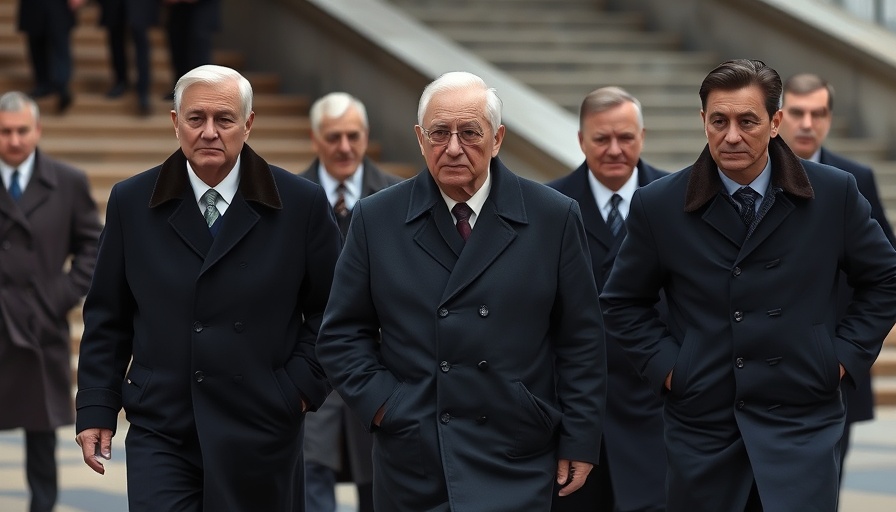
Officials walking solemnly at an outdoor event, dark coats, stairs behind.

Suspicion Lurks Beneath the Surface of Sino-Russian Relations

While public declarations from Moscow relay a robust alliance with Beijing, recent intelligence revelations paint a starkly different picture from the shadows of Russian security agencies. Despite the supposedly unbreakable bond that President Vladimir Putin claims to share with his Chinese counterpart, Xi Jinping, internal documents from Russia's F.S.B. suggest deep-rooted skepticism about China's intentions. Hidden away in the intriguing corridors of espionage, Russia's spy hunters refer to China as ‘the enemy.’

Chinese Espionage: A Growing Concern for Russia

The secret eight-page document, reportedly drafted in late 2023 or early 2024, signals that the F.S.B. is on high alert regarding alleged Chinese espionage activities. It warns that China is not just an ally, but a critical threat to Russian security. The document outlines alarming reports that Beijing is scouting to recruit Russian spies, particularly targeting those disillusioned by their governances, as well as attempting to gain access to sensitive military technologies.

Espionage Tactics: The Intricacies of Chinese Intelligence

Within the F.S.B. report, it is noted that China is exploiting vulnerabilities within Russian ranks, particularly among scientists who may feel undervalued. By offering financial incentives or opportunities for collaboration, they are attempting to pry valuable military information from disgruntled members of Russia's scientific community.

Moreover, the Chinese government is believed to be closely observing Russian military operations, especially in Ukraine. Intelligence suggests that they are keen on understanding Western military capabilities, which could shift the power dynamics in their favor. The F.S.B. document reinforces concerns that Chinese academics may even be laying the groundwork for territorial claims on Russian land, further complicating a relationship that, on the surface, appears to be built on mutual respect and partnership.

Arctic Tensions: The Geopolitical Battlefield

China’s involvement in the Arctic is another layer of complexity in this geopolitical chess game. Utilizing mining companies and supposed academic ventures as cover, China is actively engaging in espionage in this sensitive and strategically vital region. For many Russians, they are reminded of historic rivalries that could reignite if China’s ambitions are not kept in check.

Expectations vs. Reality: The Dichotomy in Alliance

The growing suspicion within Russian intelligence circles puts forth an intriguing dichotomy. Although Putin embraces a narrative of strategic partnership, the wariness evident within the F.S.B. suggests that many in Russia are queuing their thoughts on what this friendship truly entails. While some view the alliance as mutually beneficial – a bulwark against Western pressure – others remain vigilant about what it means for Russia's sovereignty and security in the long term.

Understanding the Broader Context: Implications for Global Politics

The essence of these findings is relevant not just to Russia and China but holds considerable weight in the broader scope of international relations. As the global landscape shifts, alliances and adversarial postures could drastically reshape everyday life for millions. Countries should anticipate the ramifications of this budding uncertainty in Washington, Beijing, and beyond.

Conclusion: Looking Ahead

As we reflect on the increasingly dense web of international relations, the revelations about the F.S.B.’s perceptions of China reminds us that alliances do not always indicate trust. In a world where espionage tactics evolve rapidly, understanding these dynamics will be crucial for policymakers and citizens alike.

Given the nuanced issues at play, it’s essential for our readers to remain informed about developments in global relations. To further explore insights on international security matters and deepening ties between Russia and China, keeping abreast of the latest reports from credible news sources is indispensable.

Events

0 Comments

Write A Comment

*
*
Please complete the captcha to submit your comment.
Related Posts All Posts

As Tensions Mount, Iranians Prepare Amid Trump’s Ultimatum Deadline

Update Facing Uncertainty: The Looming Threat of Conflict in Iran As the threatening ultimatum from U.S. President Donald Trump approaches, residents of Tehran and the wider Iranian territory find themselves engulfed in a palpable sense of fear and anxiety. With the deadline set for April 7, 2026, many are bracing for potential airstrikes aimed at critical infrastructure such as power stations and bridges. The rhetoric has intensified, with Trump warning that 'a whole civilization will die tonight' if Iran fails to comply with U.S. demands, specifically the reopening of the vital Strait of Hormuz. This situation amplifies pre-existing fears as families attempt to fathom what life might entail without access to power, water, and essential services. Power as a Core Concern This escalation comes after weeks of continuous aerial bombardments by the United States and Israel. With many citizens like Asghar Hashemi, who relies on dialysis treatments, the stakes couldn't be higher. The concern isn't just for basic comforts but for survival. As Hashemi lays in a hospital bed, he expresses a communal sentiment, stating, "I am worried, but I am more worried about my fellow citizens. Whatever happens, we will stand until the end." Amidst the rising tension, Iranians have taken to preparing as best they can, stockpiling bottled water and charging portable devices as they brace for an uncertain future. A Community on Edge The atmosphere in Tehran is a blend of resignation and defiance. While many residents have chosen to remain in the city, others, especially those with families in safer regions, are considering escape routes, fearing that the consequences of conflict could be catastrophic. The compelling human story emerging here embodies resilience, as evident in the experiences of those who have managed to live through prior wars, noting that they have adapted to expectation of, and preparation for, conflict. Halting Lives and Fears Day-to-day life in Tehran has undoubtedly altered due to the crisis. Reports indicate tightened security and daily experiences interrupted by airstrike sounds becoming routine. Residents are seen securing their windows to prepare for the blasts, while the usual hustle and bustle of the capital is giving way to caution. A 26-year-old resident lamented, "Honestly, we’ve kind of lost it at this point. Whatever is going to happen, let it happen. We are dying bit by bit.” Even businesses are not immune to the tide of fear—in a city once alive with enterprises, many shops are beginning to feel the crunch of uncertainty, with some even preparing for long-term closures. The Psychological Toll of Warfare As days turn into weeks of uncertainty, the psychological impact on citizens is significant. The looming threat of power outages is not merely an inconvenience; it poses a threat to life itself for many like Hashemi and the designer caring for her pets while contemplating flight. The capacity for emotional resilience is being tested as families navigate the chaos around them and seek solace wherever possible. The Broader Implications of War The conflict is drawing out deeper national sentiments, exposing visible divides within the population—from those showing overt support for the regime to others who quietly resent the destruction wrought by the conflict. Iranians are increasingly aware that the war will not easily resolve; the consequences lay devastatingly on the ordinary citizens, rather than governmental leaders. With the internet throttled and communication restricted, information dissemination becomes challenging, leaving many residents isolated within their fears and uncertainties. What’s Next for Iran? As we approach the looming deadline and further evaluations of this situation arise, it remains crucial for the international community to assess the long-term impacts on Iranian society and infrastructure. The strategies we employ for resolution must prioritize the welfare of civilians, acknowledging that behind the headlines are the human lives that bear the burden of conflict. Diplomatic solutions are imperative to ensure peace, stability, and safety for the ordinary people of Iran. As this situation evolves, the importance of listening to and amplifying the voices of those on the ground cannot be overstated. Resilience, adaptation, and the human spirit shine brightest in turmoil; it is in standing with these communities that we work towards meaningful resolutions.

The UN Security Council Veto: Implications of Russia and China's Block on the Strait of Hormuz

Update Russia and China’s Veto: A Strategic Impasse at the UN On April 7, 2026, an expected diplomatic move at the United Nations took an unexpected turn when Russia and China vetoed a resolution aimed at reopening the vital Strait of Hormuz, a critical shipping lane for global oil transportation. With over 20% of the world’s oil passing through this narrow passage, the international implications of this veto echo far beyond just energy prices. The resolution, which was initially aimed at boosting security and freedom of navigation in the strait, had been watered down significantly before the vote in hopes of garnering sufficient support without outright vetoes from the two permanent members. The Context of the Veto: How Tensions Escalated This diplomatic breakdown occurred under heightened tensions, marked by U.S. President Donald Trump's ominous warning that “a whole civilization will die tonight” if Iran did not act to reopen the waterway by his imposed deadline. His threatening rhetoric underscores the fragility of diplomatic negotiations and raises questions about international security. Following Trump's warning, the U.S. sought to impose a two-week ceasefire with Iran, which was partially accepted, yet continued hostilities seem likely if a sustainable resolution isn’t achieved. The Reactions: Diverging Perspectives on International Aggression The vote tally stood at 11-2, with Russia and China firmly opposing the resolution alongside abstaining votes from Pakistan and Colombia. Russian envoy Vassily Nebenzia articulated the countries' discontent with the proposal, emphasizing that it ignored the foundational issues contributing to the ongoing conflict, notably the aggressive actions of the U.S. and its allies. Similarly, China’s UN ambassador Fu Cong criticized the proposal for its potential misinterpretation and serious implications, suggesting that adopting such a resolution would exacerbate rather than alleviate tensions in the region. Why the Veto Matters: The Potential Consequences The fallout from this decision is likely to ripple through global oil markets as energy prices are already under pressure from Iran's blockade efforts. Bahrain’s Foreign Minister, Abdullatif bin Rashid Al Zayani, denounced the veto, stating that it signals to the world that threats to international waterways will not be met with decisive action by the UN. He insisted that Gulf countries would bolster their diplomatic efforts to counter Iran’s alleged aggression. This veto sets a dangerous precedent; it signals a lack of accountability for actions that threaten global security. The repercussions of allowing such conflicts to fester can lead to a cascading effect on international trade, economic stability, and regional peace. Exploring Alternatives: Future Diplomatic Efforts In the wake of the veto, Russia and China presented an alternative resolution promoting ceasefires across the conflict zones and condemning violence against civilians, signaling their preference for a diplomatic resolution over military intervention. The notion that both nations supporting a peaceful resolution might prompt a reevaluation of their strategies is pivotal. U.S. representatives have criticized Russia and China for siding with what they term an aggressive regime that assumes global economic hostage. Conclusion: A Call to Action Amidst Chaos With the Strait of Hormuz being integral to international commerce, ongoing military actions and diplomatic failures need urgent attention from global leaders. The veto by Russia and China not only reshapes the dynamics of Middle Eastern geopolitics but poses serious implications for energy security worldwide. As the situation continues to evolve, it will require collaborative international efforts to address the escalating crisis and safeguard global interests. As we navigate this complex geopolitical landscape, it is essential for stakeholders to engage with one another transparently and constructively, focusing on dialogue rather than threats to ensure the safe passage of trade routes vital to the world's economy.

What Jackie Fielder's Extended Leave Means for SF Politics

Update San Francisco Supervisor Jackie Fielder's Extended Leave San Francisco Supervisor Jackie Fielder has officially extended her leave of absence from City Hall until June 30, 2026, following a significant mental health crisis that recently resulted in her hospitalization. This decision comes as she seeks the necessary time for her recovery and well-being, addressing concerns that have arisen from her recent public struggles. In an unusual move for a sitting supervisor, Fielder is prioritizing her mental health amidst pressing political responsibilities. The Impact of Mental Health on Leadership The decision to take an extended leave of absence from civic duties underlines a critical yet often overlooked issue: the impact of mental health on leadership. As Fielder navigates this challenging time, she exemplifies the need for open discussions regarding mental health among public officials. Supervisors often face immense pressure, exacerbated by public scrutiny and the weight of their decisions on a wide range of community issues. Acknowledging these pressures is crucial for fostering a healthier work environment within political structures. Community Support During Fielder's Absence Fielder has not only garnered support from her colleagues, but community members have also shown their solidarity through heartfelt gestures. Last week, supporters left flowers and messages of encouragement outside her office, with notes reflecting sentiments like "Rest is resistance. You are needed". This display emphasizes the importance of community in providing emotional backing to leaders during difficult times and serves as a reminder that local representatives are not just politicians; they are individuals facing their own battles. The Future of San Francisco's Governance As Fielder steps away, her absence will likely reshape the dynamics within the Board of Supervisors, particularly affecting significant budget negotiations that occur during this critical period. Mayor Daniel Lurie and Board President Rafael Mandelman expressed their understanding and support for Fielder's choice, signaling a collective acknowledgment among city leaders of the human aspects tied to political service. The coming weeks will reveal how her absence impacts governance, especially as urgency mounts around budget proposals that directly affect the community she represents. Lessons in Resilience and Recovery This situation illustrates a vital lesson in resilience: it’s essential to prioritize one’s health in the pursuit of serving others. The extended leave serves not only as a necessity for Fielder but as an important reminder for all leaders that taking time to heal can ultimately lead to better service. And while Fielder may miss vital meetings and decision-making moments, her commitment to returning stronger is a promising indicator for the future. In conclusion, Fielder's situation shines a light on the broader conversation concerning mental health in politics. As voice and actions merge within public service, ensuring mental wellness is a path toward sustainable leadership. The need for empathy and understanding within political structures cannot be overstated.

Terms of Service

Privacy Policy

Core Modal Title

Sorry, no results found

You Might Find These Articles Interesting

T
Please Check Your Email
We Will Be Following Up Shortly
*
*
*